

BSPH student voices, podcasted
In a recent assignment for the School of Public Health’s “Community-Based Approaches to Public Health” course, a group of undergraduate students tackled the Black maternal mortality crisis—not with a paper or a slide deck, but with a podcast. They opened with music and an engaging welcome, followed by a data-backed discussion of structural racism and community-based interventions, such as the use of doulas. Their delivery was confident, terminology thoughtful—and passion, well, audible.
Early lead exposure could result in memory issues later in life
“Heavy metals, which include lead as well as mercury, are not good for your body or your brain, even at low-level exposure," said BCHS Professor Steve Albert, commenting on studies presented at the recent Alzheimer’s Association International Conference highlighting potential links between lead exposure and cognitive problems. “There are many environmental pollutants, airborne toxins, that have been associated with cognitive performance,” he added.
Global classroom, local impact
Abi Fapohunda, DrPH, MPH, MS, assistant professor in the Department of Behavioral and Community Health Sciences, recently helped lead a two-year transnational collaboration, supported by Pitt’s Global Studies Center, called Global TEACH. The project involved faculty and staff from Pitt’s central and Johnstown campuses and the Center for African Studies, the Pennsylvania Office of Rural Health, Babcock University in Ileshan-Remo, Nigeria, and the Lakeshore Cancer Center.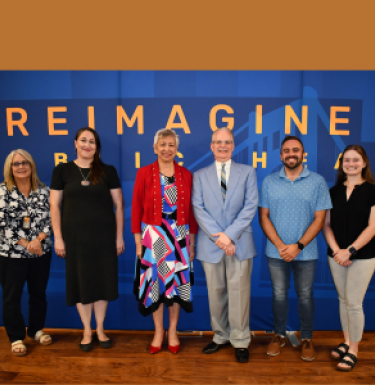
Pitt Public Health staff shine
Pitt Public Health recently presented the inaugural Staff Awards, honoring exceptional effort and dedication through teamwork, leadership, innovation and contribution to school, University and community culture. The awards were presented on August 5 at the annual Staff Recognition Picnic, preceded this year by a ceremony that also recognized staff who reached milestone service anniversaries in the last fiscal year. The event also celebrated the hard work of the entirety of the school’s staff.
5 of the top Yinzer-approved moments from HBO Max hit ‘The Pitt’
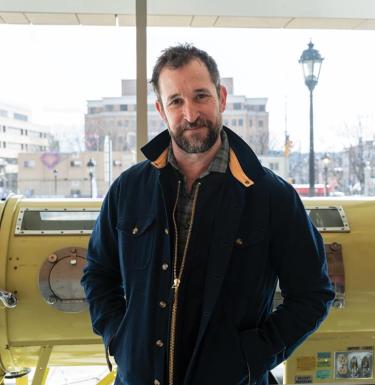
HBO Max recently renewed its breakout hit “The Pitt” for a second season. Based in Pittsburgh and led by veteran actor Noah Wyle (who recently visited Pitt’s School of Public Health), the drama follows the emergency department staff of a city hospital through a particularly harrowing shift.
Kuchipudi receives Fulbright Specialist award
School of Public Health researcher Suresh Kuchipudi, PhD, MVSc, MBA, will lead a One Health-based research and education program at the Universiti Malaya in Kuala Lumpur, Malaysia this September.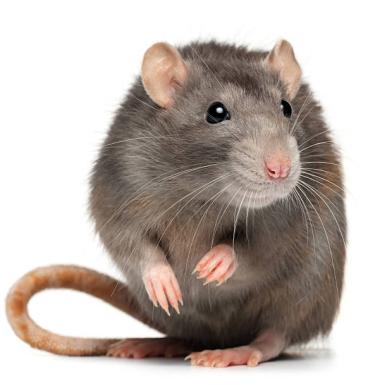
‘The disease list goes on and on’: The health risks posed by rats, and how to keep them at bay
In addition to the destruction and nuisance they can cause, rats have long posed serious health risks to humans, explained Suresh Kuchipudi, a professor and chair of infectious diseases and microbiology at the University of Pittsburgh School of Public Health.
Public Health in Action: The Pittsburgh Summer Institute
Nine Pitt Public Health students participated in the 2025 Pittsburgh Summer Institute (PSI), a long-standing partnership between the school and the Allegheny County Health Department. Now in its 14th year, PSI offers a 200-hour practicum that blends the structure of a traditional internship with hands-on workforce development. The students presented their projects at a final showcase at the school on July 23.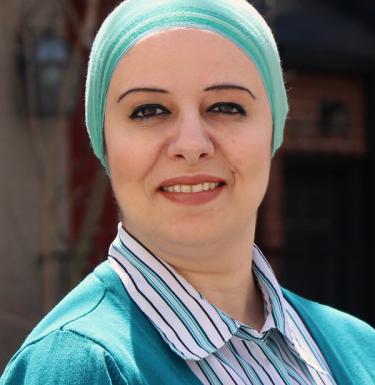
Only 21% of midlife women have ideal Life’s Essential 8 scores
"The menopause transition is really a turning point for cardiovascular health," says Samar R. El Khoudary, a professor of epidemiology at the University of Pittsburgh School of Public Health.

Searching for the keys to healthy aging
“Most people will have a period of poor health at the end of their lives no matter how long they live,” says Anne Newman, MD, MPH, distinguished professor of epidemiology, School of Public Health, and clinical director of the joint Pitt-UPMC Aging Institute. “But the goal of what we call ‘healthspan’ is to optimize health for as long as possible.”
Study: Emerging virus can infect placenta
A University of Pittsburgh team led by Department of Infectious Disease and Microbiology's Cynthia McMillen, PhD, has demonstrated that insect-spread Oropouche virus (OROV) can evade antiviral defenses in the placenta and infect the vital organ that connects mother and baby during fetal development.
Doing data with heart
For HPM Data Scientist Emma Mairson, no two days look alike. From analyzing data and writing manuscripts to supporting grants and presenting at conferences, she thrives on the variety her role offers. “Every project presents new questions to solve,” she says. “I get to do really important work—and I get to do it with people I admire and who empower me."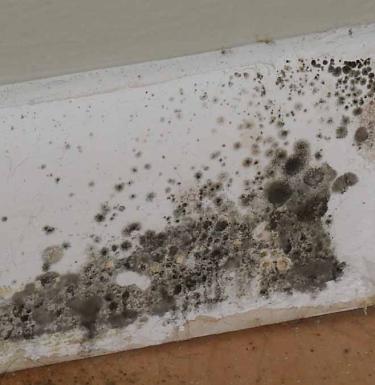
Exposed to black mold? The fear of Classroom 138
From a public health perspective, contacting the local health department for an environmental quality health specialist should’ve been the district’s first step, said Maureen Lichtveld, dean of Pitt's School of Public Health.
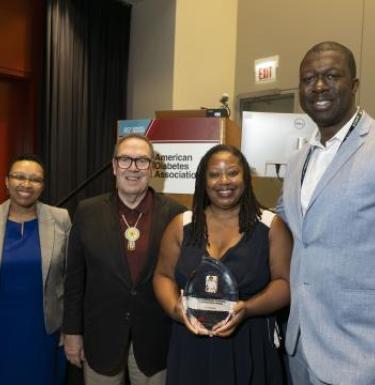
Tiffany Gary-Webb receives inaugural Dr. Felicia Hill-Briggs Health Equity Trailblazer in Diabetes Award
The American Diabetes Association presented the inaugural Dr. Felicia Hill-Briggs Health Equity Trailblazer in Diabetes Award to Epidemiology's Tiffany Gary-Webb.