
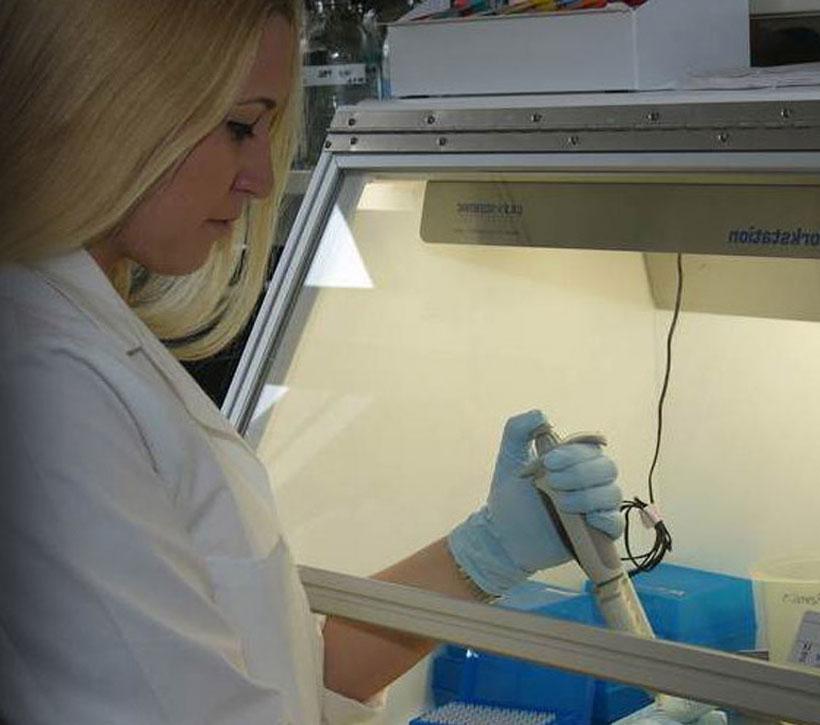
Our department is dedicated to graduate training in human genetics research (including molecular, statistical, and bioinformatics research), public health genetics, and genetic counseling.



News

Pitt Public Health student presents at Pharmacogenomics Global Research Network meeting
Ifeanyi Igboaka, PharmD, an MPH student in the Department of Human Genetics at Pitt Public Health, presented his research on equity in cardiovascular pharmacogenomics guidelines at the Pharmacogenomics Global Research Network annual meeting held Sept. 25-27 in Chicago, Ill., at Northwestern University's Chicago Medical Campus.

Public health is everywhere — so why not stop and talk about it?
That’s the idea behind a new monthly webinar series launching Oct. 13 from the University of Pittsburgh School of Public Health. Hosted by Dean Maureen Lichtveld, MD, MPH, the series will bring the public into conversations about public health, the work of Pitt Public Health and the issues shaping the field. Each webinar will feature researchers, practitioners and community partners working to address some of today’s biggest public health challenges.

Pitt Public Health researchers bring genetics expertise to inaugural Polynesian Precision Medicine Symposium
Department of Human Genetics faculty and students shared research and expertise in genetics and precision medicine at the inaugural Polynesian Precision Medicine Symposium, held July 29-31 in Apia, Samoa. The symposium brought together approximately 110 researchers, clinicians, community leaders and advocates from Samoa, Aotearoa New Zealand, Australia and the United States to explore how advances in genetics and precision medicine can improve health among Polynesian communities while remaining culturally responsive and community driven.