
Why the Class of 2027 Chose Pitt
 Stephanie Barrett
- BS in Biology (Concentration Cell and Molecular Biology) and Women’s Leadership Certificate, Chatham University, 2022
- Certificate in Pre-Genetic Counseling, Southern California University of Health Sciences, 2024
Why Pitt
Growing up in the suburbs of Pittsburgh, I’ve always felt a strong connection to this area, and that sense of belonging is exactly what drew me to the University of Pittsburgh’s Genetic Counseling Program. While working as a GCA, alongside many genetic counselors who trained at Pitt, I saw firsthand the kind of thoughtful and empathetic professionals the program cultivates. I knew I wanted to be part of that legacy. As a reapplicant, a moment that truly stood out was how, each summer, Jodie took the time to walk through my application with me, offering detailed, actionable feedback. Her generosity and belief in my potential made me feel genuinely wanted, not just as a future student, but as someone the program was willing to invest in. That kind of support is rare, and it made Pitt feel not just like the right choice, but the only one for me.
Background
Genetic Counselor Assistant (UPMC Magee-Womens Hospital), Genetics Department Volunteer (UPMC Magee-Womens Hospital), Genetic Counseling Shadowing (UPMC), No One Dies Alone Volunteer (UPMC Montefiore and UPMC Presbyterian), Emergency Room Volunteer (UPMC Magee-Womens Hospital), Covid-19 Vaccine Support Staff/Intern (Squirrel Hill Health Center), Undergraduate Researcher (Chatham University), Orientation Leader (Chatham University), Science Department Diversity, Equity, and Inclusion Committee Student Member (Chatham University)
Student work position
Genetic Counselor Assistant, UPMC Magee-Womens Hospital
Julie Borovicka
- B.S. in Biomedical Sciences, minor in psychology from Marquette University in 2019
Why Pitt
Pitt was high on my list from the beginning of my application journey due to its history as one of the oldest genetic counseling programs in the country. I also had the chance to work with and learn from the skills of a few incredible genetic counselors at the Cleveland Clinic who completed their education at Pitt. Throughout every step of applications, from perusing the website to the student open house all the way through to interview day, Pitt students and program leadership further cemented my interest – they were approachable, compassionate, and extremely knowledgeable all at the same time. After learning more on interview day about how Pitt weaves concepts of public health and JEDI into the GC curriculum, the opportunities available to students like certificate programs, the LEND program, and access to a wide array of subspecialties in genetics, I was more certain than ever that Pitt would shape me into the genetic counselor I want to be. I am excited to begin my genetic counseling journey here!
Background
Talkline Advocate (All-Options Talkline), Genetic Counseling Assistant (Cleveland Clinic Foundation), GC Shadowing (Cleveland Clinic Foundation), Neuroscience Research Technologist (Cleveland Clinic Foundation), Tech Leadership Council (Cleveland Clinic Foundation), Undergraduate Research Assistant (Marquette University Department of Biomedical Sciences), Undergraduate Biology Teaching Assistant (Marquette University), Peer Tutor (Marquette University), Healing and Advocacy Center Volunteer (Aurora Healthcare)
Emily Heiser
- BS in biology, minors in biochemistry and public health, concentration in molecular biology, Duquesne University, 2024
Why Pitt
I moved to Pittsburgh for undergrad and loved it here! With the amazing recommendation from alumni and welcoming attitude of faculty and students, I knew that Pitt and the School of Public Health was the best genetic counseling program for me! I'm so grateful to be staying in this amazing city for the next two years.
Background
Genetic Counselor Assistant (UPMC Clinical Genomics Laboratory), Medical Scribe (Heyl Family Practice), Undergraduate Genetics Research (Duquesne University), Genetic Counseling Shadowing (Inova Cancer Institute, Magee Women's Hospital, UPMC Children's Hospital of Pittsburgh), Certified Crisis Counselor (Crisis Text Line), Peer Mentor (Duquesne University), Service Chair (Duquesne University Beta Beta Beta)
Abigail Johnson
- BS in biology and neuroscience, Syracuse University, 2023
Why Pitt
The University of Pittsburgh’s Genetic Counseling Program stood out to me for a couple of reasons. I loved the emphasis on how genetic counseling fits into the public health sphere as a whole. In talking with faculty in the program, it was evident that the public health ideas they taught were not only ideas, they were also concepts that were being put into action. Additionally, I felt so supported by the program directors and faculty that I was able to interact with through the application process. I knew that if I chose to go to Pitt, I would have access to incredible healthcare institutions, be surrounded by supportive mentors, and be a part of a program that was looking to change access to healthcare for the better.
Background
Genetic Counseling Assistant in the Epilepsy Neurogenetics Initiative (ENGIN) at the Children’s Hospital of Philadelphia; Pre-Genetic Counselor Experiential Practicum through Columbia University; Volunteer Hotline Worker at Contact Community Service; Undergraduate Researcher in the MacDonald lab at Syracuse University, studying epigenetic mechanisms of neurodevelopment; Captain of the Syracuse University Women’s Club Volleyball team
Student Worker Position: Student Worker for UPMC Hereditary GI Cancer Program
Leslie Johnson
- BS in biology, genetics and developmental biology concentration, Penn State, 2019
Why Pitt
While I was initially drawn to Pitt for its excellent clinical rotations and its public health focus, what sealed the deal for me was the programs emphasis on a confidence-building model, allowing students to practice and perfect their skills in order to best serve their patients. I also love the fact that students can customize their education by pursuing optional certificate programs and fellowships, giving them the flexibility to further study and specialize in areas of public health that they are passionate in. All in all, I am thrilled to be in such an exciting, supportive environment, and can’t wait to see more of the city!
Background
Genetic Counselor Assistant (RADfertility), Teaching Assistant (San Diego State University), Learning Assistant (Penn State), Research Assistant (San Diego State University, Penn State), Patient Escort (Planned Parenthood of Eastern Pennsylvania), Family Relations Chair (Penn State Science LionPRIDE, Penn State THON)
Nyemah Palmer
- BS in integrated health studies, concentration in behavioral studies, University of Illinois at Chicago, 2020
Why Pitt
As a Pittsburgh native, I have long been interested in the University of Pittsburgh’s Genetic Counseling Program. The city offers a wide range of personal and professional opportunities, and its status as a healthcare hub attracts a diverse patient population, which I find especially compelling. I am particularly excited about the clinical rotations, as they will give me the chance to work with individuals from varied backgrounds and gain meaningful experience in culturally competent care. After speaking with the program’s faculty, my commitment to studying at Pitt became even stronger. Learning more about the curriculum and course structure deepened my appreciation for the program’s thoughtful design. I value that students are given the time and support to develop their skills, knowledge, and confidence before beginning clinical rotations. I was especially drawn to the school’s strong commitment to diversity, equity, and inclusion not only within the program itself, but also as a foundational element of the coursework. My vision is to become a genetic counselor who not only recognizes cultural differences but also embraces and respects diverse perspectives and backgrounds. This commitment closely aligns with Pitt Public Health’s mission to create systemic change and promote health equity.
Background
Genetic Counselor Assistant (UPMC Children's Hospital of Pittsburgh), Patient Care Technician - Senior (UPMC Mercy Brain Injury Rehab), Recreation Department Intern (Jewish Association on Aging), GC Shadowing (UPMC Children’s Hospital of Pittsburgh), Volunteer (Bethlehem Haven Emergency Shelter) Mentor and Tutor (Metro Achievement Center for Girls-Chicago), Crisis Counselor Volunteer (Crisis Text Line), Community Outreach Volunteer (Planned Parenthood)
Kajal Patel
BS in cell biology and molecular genetics, minor in sustainable studies, University of Maryland College Park, 2023
Why Pitt
When applying to genetic counseling programs, I prioritized those with diverse genetic counseling rotations and spotlight for public health. With the University of Pittsburgh having a dual-degree program in Genetic Counseling and Public Health Genetics, I knew this was going to be a special place. Given my background of research in service-delivery models for pancreatic and ovarian cancer patients, I’ve learned how genetics education can be expanded across languages, which can broaden access to minority populations. When speaking to Pitt program leadership, they supported my interests in learning further in this topic and finding ways to advocate for underrepresented populations through policy initiatives. Their reassurance and unique program structure make me confident that this is ideal for the goals I hope to achieve in graduate school, and beyond!
Background
Clinical Research Coordinator (Massachusetts General Hospital), Social Media Lead (DNA Today Podcast), Hospice Direct Care Volunteer (Beacon Hospice), Undergraduate Teaching Assistant (Cell Biology Lectures, University of Maryland), Shadowing (Massachusetts General Hospital, Penn State Hershey Cancer Genetics, Maternal Fetal Care, Greater Washington Maternal Fetal Medicine and Genetics), Crisis Counselor (Crisis Text Line), Camp Counselor (Lessans Camp JCC), Vice President/Media Chair (Pre-Genetic Counseling Society, University of Maryland), Visibility Coordinator (MaryPIRG Student Climate Action Coalition, University of Maryland)
Leah Post
- BS in genetics and genomics, UC Davis, 2020
Why Pitt
When I was exploring my options before applications and the Match, I was drawn to Pittsburgh’s natural beauty, history, diversity, and artistic community. But as I learned about the genetic counseling program here, I began to understand why it is among the best in the country. I kept encountering people who came to Pitt to study, fell in love with the university and the city, and never left. Not only are we situated in wonderful Pittsburgh, but the program’s long history of quality education and incredible leadership team really makes it stand out. I was excited by the prospect of learning from the experienced program leadership, and by the opportunity to explore other coursework as a member of the School of Public Health. The School also has a wide variety of certificate programs in specialized areas of public health, so the ability to customize your education is truly top notch!
Background
I come from Northern California and though I have extensive experience in laboratory work and management, I consider my best skills to be people skills! I am most proud of the advocacy work I’ve done in the past, including with the disability community, California’s vibrant immigrant population, and the homeless and housing insecure folks in my area. I appreciate that Pitt gives students with diverse backgrounds and experiences the chance to flourish together in a truly incredible institution (in a fabulous city!).
 Estella Rose
- BS in biology (genetics and genomics) with a minor in science communication, University of Texas at Austin, 2023
Why Pitt
I was first drawn to Pitt for its long core clinical rotations and the chance to rotate in two specialty clinics, with options ranging from bipolar disorder to ophthalmology to newborn screenings. I also appreciated that Pitt is the second oldest genetic counseling program in the U.S., which speaks to its ability to adapt and stay at the forefront of a constantly changing field. What really sealed the deal for me was the interview process—program leadership were warm and approachable, the questions felt grounded in real patient experiences, and the current students came across as a close-knit, supportive group. All of this made me confident that I would find both excellent training and a strong community at Pitt.
Background
Genetic Counseling Assistant (hearing loss clinic, University of Iowa), Poster Presenter (NSGC), Genetic Counseling Intern (Advocate Genetics), Longhorn Wellness Peer Educator (UT Austin), Undergraduate Student Researcher (Doonan Lab, UT Austin), Volunteer (Texas Youth Helpline), Volunteer (Feeding Texas), Volunteer (Martin House Child Advocacy Center)
Alexia Sweet
- BS in biology, concentration in health sciences, Emmanuel College, 2022
Why Pitt
As someone who had been out of school and in the workforce for a few years, it was important to me to choose a program that had a strong sense of support and large network of resources. As a reapplicant, I got an early sense of how the University of Pittsburgh Genetic Counseling program gave feedback – It was clear how much the program’s leadership cared about their students' success. Speaking with the students before my interview with Pitt also gave me an idea of how happy and supported they felt in the program. One thing that stood out to me about the program is that it is in the School of Public Health, which allows you to study among a diverse set of other graduate students, and learn how genetic counseling is incorporated in a wider context than just a clinical setting. As a lifelong Steelers fan from Boston, I am so excited to be in Pittsburgh for my studies and continue to explore this great city!
Background
Research Associate II (Lander Lab, Broad Institute of MIT and Harvard), Undergraduate Mentor (Broad Summer Research Program), Co-founder of Belonging in Biology Initiative (Emmanuel College), Genetic Counseling Shadowing/Informational Interviews (Massachusetts General Hospital, Rare Genomes Project, VA Boston Health Care Center, Broad Institute, Maine Medical Center), Certified Crisis Counselor (Crisis Text Line), Event Volunteer (Girls on the Run Boston), Summer Community Service Fellowship (Emmanuel College Urban Food Project)
Rio Veslasquez
- MS in medical science, University of North Texas Science Center, 2020
- BS in biology, minors in chemistry, psychology, art, Texas Women's University, 2019
Why Pitt
Pitt stood out to me because of how strongly public health training is integrated in its genetic counseling program and how effectively the school utilizes its well-established foundations for extensive collaboration while keeping an innovative approach. I was also drawn in by the program’s structure of completing majority of the coursework first before deep diving into the clinical experience, which fits well with my learning style. During my interview, my choice in Pitt was solidified by the tangible sense of community and support between students and faculty. To me, Pitt is the place that nurtures students to become confident, compassionate, and skilled professionals. I am so excited to be here with my peers, and I look forward to exploring more of the city!
Background
Family Relations Coordinator (UNTHSC Willed Body Program); Volunteer Crisis Counselor (Crisis Text Line); Call Center Volunteer (Catholic Charities Community Care Program); Student Volunteer (UNTHSC Health Organization, Programs, & Events Directory); Undergraduate Research Assistant (Texas’s Woman’s University)
- Why the Class of 2026 Chose Pitt
 Shruti Bhansali
MPH in public health genetics from Pitt in 2024 and BSc in biotechnology from Mumbai University in 2016
Why I chose Pitt
I chose Pitt because it offers one of the few dual-degree programs that integrate Genetic Counseling with Public Health. This unique opportunity allows me to broaden my expertise and approach genetic counseling from a more holistic perspective. After completing two years at Pitt for my MPH, I knew I wanted to continue my journey here. The program leadership and faculty have been incredibly kind and supportive, reinforcing my decision to stay. My goal is to bridge the gaps in making genetic counseling accessible to all populations, especially underserved communities. Pitt has provided me with a strong foundation and the tools to understand and address these critical issues. I am confident that this is the right place for me to continue my education and make a meaningful impact. I’m excited to begin my genetic counseling journey at Pitt.
Background
Department of Human Genetics Diversity Scholar - Pitt GC program, Department of Human Genetics Achievement Award - Pitt MPH program, Program Assistant - GSPH Office of the Dean, Bridging the Gaps Internship - Pitt Public Health, GC internships and shadowing (MedGenome - Centre for Genetic Health Care, Cancer Genetics Clinic at Tata Memorial Hospital, Mapmygenome); Volunteering (Samaritans Mumbai - a suicide prevention helpline and Sunshine School for Differently Abled Children), Genetic Counseling Case Series - University of Cincinnati
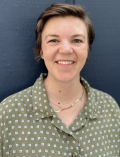 Alison Cercy
BS in environmental and natural resources with a concentration in conservation biology from Clemson University, 2016
Why I chose Pitt
I moved to Pennsylvania in 2021 for what I thought would be a fairly short-term job, but now find myself thrilled with the opportunity stay in-state and continue my education at the University of Pittsburgh. I first became interested in Pitt when working at Geisinger as I had some incredible colleagues who completed their genetic counseling training at Pitt and I was impressed by their skillset, competency, and general approach to genetic counseling. Throughout the application process, I learned the Pitt’s GC program is housed in the School of Public Health, and even offers an opportunity for a dual GC/MPH degree. The strength of genetic counseling as a tool for preventative and public healthcare is one that I care deeply about, and I found a lot of value in the integration of this public health framework throughout the program. After meeting with current students and faculty for interviews, I was blown away by the collaborative atmosphere the faculty foster, their investment in student success and continued program growth, and the deep care that everyone in the value of the program. The people, the place in this incredible city, and the established program success all made it an easy decision to choose Pitt for my genetic counseling training!
Background
Research Project Coordinator (Geisinger MyCode Genomic Screening and Research Project); Volunteer (PA Camp Ability at Camp Victory); Volunteer (Little Theatre of Wilkes Barre); Conservation Coordinator (Lowcountry Land Trust); Student Conservation Association Intern (Armagosa Conservancy); Research Assistant (Bog Turtle Nesting Ecology Study); Camp Counselor (Camp Kanuga)
 Brian Earle
BS in biology (genetics and genomics), certificates in ethics and leadership in health care and core texts and ideas from the University of Texas at Austin, 2024
Why I chose Pitt
After interviewing at Pitt, I was sure that it was my first choice. The faculty I met were incredibly warm and their enthusiasm was obvious; my conversations with them clicked in a way they hadn’t at other schools. The GC program being housed in the School of Public Health is unique, and the integration of public health and JEDI into the curriculum aligns perfectly with my interests in medical humanities and health equity. It was clear that the program leadership cares deeply about their students’ growth and goals, and I felt confident that I would be in a close-knit, collaborative environment with plentiful support. The opportunity for a big change from my home state of Texas was exciting, and I could not be happier with living in Pittsburgh so far. I’m absolutely thrilled to begin my genetic counseling career here at Pitt!
Background
Genetic Counseling Intern (Advocate Genetics), Intern (IntellxxDNA), COVID-19 Contact Tracer (UT Health Austin), Peer Mentor (UT Freshman Research Initiative), Undergraduate Course Assistant (UT Department of Molecular Biosciences), Middle School STEM Mentor (UT Science Communication USA), Recruitment Coordinator (UT Engineering Chamber Orchestra)
Work Position
Graduate assistant, Office of the Dean, University of Pittsburgh School of Public Health.
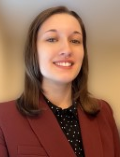 Anna Hilliard
BS in biology with a minor in psychology from Case Western Reserve University in 2022
Why I chose Pitt
From the very beginning of my graduate program search, Pitt cemented itself at the top of my list. I was impressed by its history as the second oldest genetic counseling program in the U.S., its grounding in one of the top medical systems in the country (and related opportunities to be exposed to numerous sub-specialties!), and the option to pursue one of several available certificate programs to customize my graduate experience. Additionally, my interactions with students and faculty alike left me with the impression that Pitt fosters a supportive, close-knit environment, and that members of program leadership are deeply committed to empowering students to succeed at all levels (not just academic!). There is a strong emphasis on self-evaluation and self-care, which provides students with an excellent toolkit to thrive in graduate school and beyond. I can't wait to begin my genetic counseling career at the University of Pittsburgh!
Background
Postbaccalaureate Research Fellow (National Human Genome Research Institute), Research Assistant (Digestive Health Institute, University Hospitals), Undergraduate Teaching Assistant (Dept. of Biology, CWRU), Family Outreach Navigator (ConnectMyVariant), Foster Program Case Manager (Humane Rescue Alliance), Volunteer (The Trevor Project), Fundraising & Leadership Chair (Alpha Phi Omega, CWRU), Outreach Chair & Vice President (Commuter & Off Campus Organization, CWRU), GC Shadowing (Children's National Hospital)
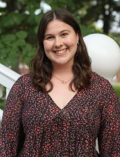 Claire Magill
BS in biology, minor in psychology, certificate in genomics, ethics, and society from Juniata college in 2024
Why I chose Pitt
As I began pursuing the field of genetic counseling, I had the opportunity to speak with several genetic counselors who all had wonderful things to say about the University of Pittsburgh Genetic Counseling Program. Being from Pennsylvania, I kept finding connections that pointed me back to Pitt, and it soon became my top choice for graduate school. One of the major attractions for me is that the program is housed within the School of Public Health. I’m looking forward to learning about genetic counseling within a broader public health context. I’m also excited about the diverse clinical rotations available. During my interview, the welcoming and supportive nature of the program’s leadership confirmed that Pitt was the ideal program for the next step in my genetic counseling journey! I’m also eager to explore the city of Pittsburgh!
Background
Clinical Genetics Laboratory Internship (Clinic for Special Children), Undergraduate Yeast Genetics Research (Juniata College), Genetic Counseling Shadowing (Penn State Cancer Institute, Wellspan Health, Myriad Genetics, Clinic for Special Children), Certified Crisis Counselor (Crisis Text Line), Domestic Violence Advocate (Huntingdon House), Peer Mentor (Juniata College Learning Services), Biology Tutor (Juniata College Biology Department), President (Juniata College Health Professions), Student Volunteer (Juniata College Health Services)
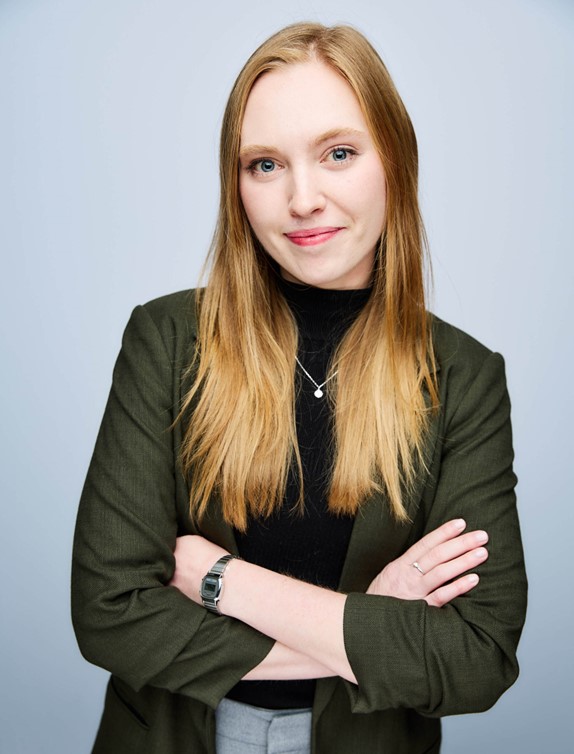 Rina Mahoney
MPH in public health genetics from Pitt in 2023 and BS in medical laboratory science from York College of Pennsylvania in August of 2019
Why I chose Pitt
I first came to the University of Pittsburgh to pursue my Master of Public Health in Public Health Genetics. While working towards that degree, I got incredible exposure to the brilliant and caring faculty in the Human Genetics Department. As I realized that I wanted to continue to pursue my dream of becoming a genetic counselor, I shadowed with a few Pittsburgh-area genetic counselors. I was blown away by the vibrant and diverse genetic counseling community in this city. Returning to Pitt for the Genetic Counseling Program simply felt like coming home.
Background
Laboratory Coordinator (Interpace Diagnostics); Teaching Assistant (University of Pittsburgh School of Public Health Department of Human Genetics); GC Shadowing (University of Pittsburgh Medical Center & Penn Medicine Lancaster General Health); House Volunteer (Family House); Public Health Intern (Child Death Review Project, Allegheny County Health Department); Crisis Counselor (CrisisTextLine); Blood Bank Medical Laboratory Scientist (Penn Medicine Pennsylvania Hospital)
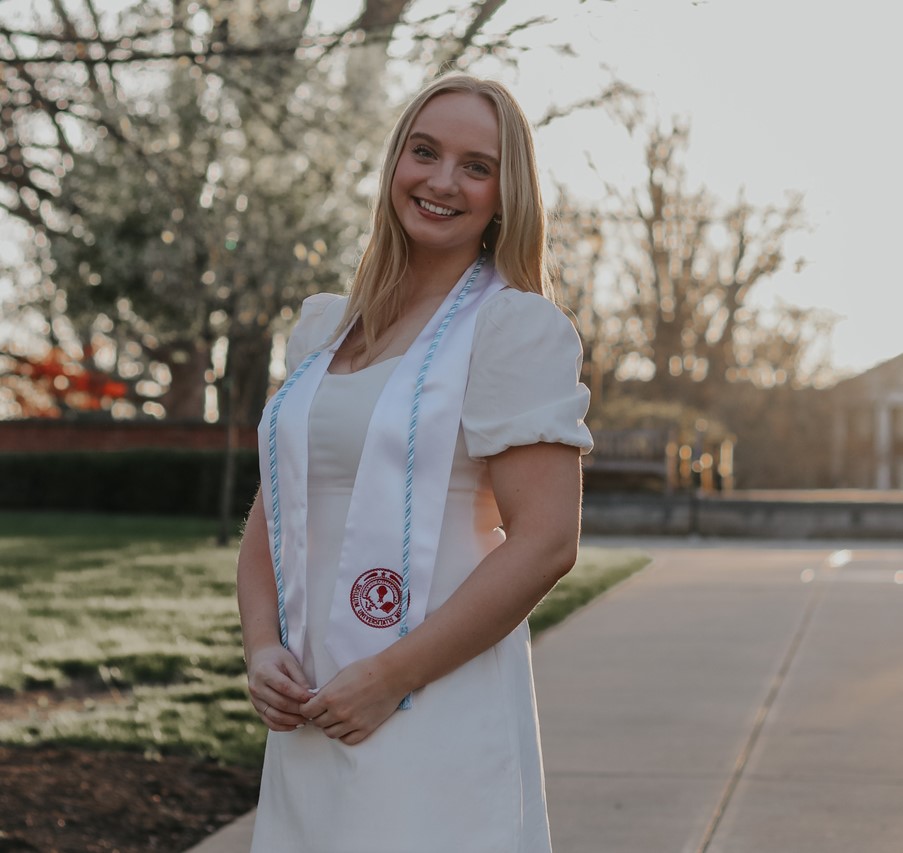 Kathryn Mierzejewski
BA in psychology and neuroscience from Miami University in 2024
Why I Chose Pitt
I was initially interested in the Pitt GC program for its location in the unique city of Pittsburgh, which is filled with character and home to renowned healthcare systems. After interviewing, Pitt stood out to me as having supportive faculty who are invested in their student’s success, and an enriching focus on public health that students find valuable. I was encouraged by the emphasis Pitt places on self-care, and excited by the additional opportunities such as the LEND program or public health certificate programs. Finally, I felt Pitt’s confidence-building approach of starting clinical rotations after the first year of coursework was a great fit for my learning style.
Background
Hospital Advocate (Women Helping Women, Butler County); Camp Counselor (Flying Horse Farms, a SeriousFun camp); Undergraduate Research Assistant (Medical Decision-Making Laboratory, Miami University); Vice President of Operations and Vice President of Panhellenic Relations (Alpha Delta Pi); GC shadowing (Mount Carmel Grove City)
 Cassidy Mills
BS in biology, minor in sociomedical sciences from SUNY Genesco in 2022
Why I chose Pitt
When considering where to continue my education, Pitt was at the top of my list for several reasons. Pitt is renowned for its rich history in genetic counseling and proactive adaptation to the evolving landscape of the field. Its rich hospital system allows students a diversified rotation experience and an expansive alumni network. The university’s commitment to staying at the forefront of education was compelling, but what captivated me most most was the program’s connections to the field of public health. Being housed in the School of Public Health, the genetic counseling program offers students an interdisciplinary outlook on how genetics and genetic counseling impact society. With my background in sociomedical sciences and experience in the field of public health post-undergrad, I was excited at the prospect of continuing my education as a dual-degree student in genetic counseling and public health genetics.
Background
Associate Scientist (Vaccines, Q2 Solutions), Undergraduate Research Assistant (Genetic Diversity of Ant-mimicking Spiders, SUNY Geneseo), Crisis Counselor (Crisis Text Line), GC Shadowing (UNC Department of Obstetrics and Gynecology, Division of Maternal and Fetal Medicine), Summer Intern (Jefferson County District Attorney’s Office), Summer Volunteer (Samaritan Medical Center), Substitute Teacher K-12 & Special Education Classrooms (Watertown City School District
 Justin Najimian
BS in public health from Rutgers University in 2022 and MPH in LGBTQ health also from Rutgers in 2024
Why I chose Pitt
The University of Pittsburgh's genetic counseling program stood out to me as a program that valued interdisciplinary education, collaboration, and fostering leadership. Coming from a public health background, I was drawn to the manner in which Pitt seamlessly wove foundational public health competencies into their genetic counseling curriculum. The ability to concentrate coursework in the first year through the confidence-building model and establish a base of essential knowledge prior to immersion in clinical rotations was also appealing. The combination of innovative coursework, a wide breadth of clinical rotations in an easily accessible major health system, and ample opportunities for mentorship establishes Pitt as a program that invests in both the education and professional development of their students. It is clear to that Pittsburgh's genetic counseling program serves to train genetic counselors to be future leaders in the field.
Background
Genetic Counseling Intern (Rutgers Cancer Institute of New Jersey - LIFE Center), Research Assistant (Rutgers Cancer Health Equity Center of Excellence), Digital Crisis Counselor (The Trevor Project), Cabin Counselor/Volunteer (The Hole in The Wall Gang Camp), President (Rutgers University Graduate Students for Rare Disease - NORD Student Chapter), Director of Family Relations Team (Rutgers University Dance Marathon), Policy & Governmental Relations Intern (Hemophilia Federation of America), Cross-Cultural Competency Course Teaching Assistant (Rutgers University - New Brunswick: Honors College), Diversity Peer Educator (Rutgers University - New Brunswick: Honors College)
 Sarah O'Connell
BS in biobehavioral health with a minor in psychology from Pennsylvania State University in 2022
Why I chose Pitt
The success of Pitt’s long-running genetic counseling program initially sparked my interest in the school. However, Pitt became my first choice after interviewing and learning more about what the school has to offer. Students have access to several certificate programs, a dual degree, and collaboration opportunities with students in different fields. In the School of Public Health, the program has a unique and holistic approach with an emphasis on DEI and a confidence-building model to guide students into rotations. Entering the genetic counseling field I hope to increase access to genetic services as well as health education and I found Pitt to be the place where I can do so. The current students emphasized the support from faculty and how they truly care about students' well-being and success. The urban setting and numerous healthcare networks in Pittsburgh allow for a variety of rotations. And finally, the endless opportunities and positive atmosphere this program has to offer is why I chose Pitt!
Background
Undergraduate Epidemiology Teaching Intern (Pennsylvania State University), Domestic Violence Survivor Advocate (Safe Harbor), Educator (AmeriCorps), Vice President (Habitat for Humanity), Volunteer ESL Women’s Health Teacher (Mid-State Literacy Council), GC Shadowing (Lehigh Valley Health Network and Bon Secours St. Francis Medical Center), Medical Assistant (Virginia Women’s Center)
 Divya Proper
BS in biology, minor in psychology and medical humanities from the College of Charleston in 2024
Why I chose Pitt
When I was making decisions during my graduate school application process, one thing that I knew was very important to me was quality mentorship and knowing that I would be able to build a support system within the program. When meeting with program leadership and speaking with the current students, I got the sense that the program was a warm and welcoming environment that would help me feel encouraged during the duration of the program. I was also excited about the program being structured so a majority of the coursework is completed during the first year before the start of clinical rotations. As someone who likes to feel super prepared before jumping into anything, I knew that learning about concepts in the classroom before starting rotations would help me feel more confident.
Background
Undergraduate Research Assistant (Cowan Lab, Medical University of South Carolina), Summer Research Intern (Yost Lab, University of Utah), Executive Director and Peer Counselor (Students 4 Support, College of Charleston), Chemistry Supplemental Instruction Leader (Center for Student Learning, College of Charleston), Science Lab Tutor (Center for Student Learning, College of Charleston), GC Shadowing (Medical University of South Carolina)
 Taylor Salvigsen
BS in biomedical sciences from Liberty University in 2022
Why I Chose Pitt
Being able to study and prepare for a career in genetic counseling through a public health lens is a priority to me and set Pitt apart from other programs. Learning from this perspective allows for a holistic approach to the field, to individual patients and to affected demographics as a whole. I was jazzed to find my values reflected in the program because of this- an emphasis on catered care through patient advocacy opportunities and exposure to a diverse range of patient populations through multi-hospital rotations all within the city of Pittsburgh. I am excited to embark on this journey alongside the welcoming mentorship from faculty in this department and the community atmosphere Pitt embodies!
Background
Volunteer Biocurator for intellectual disability and autism genes (ClinGen); Genetic Counseling Assistant (GeneXsure and Tenessee Oncology); Grief Facilitator for teens (GoodGrief), Academic Coach for teen with autism (Upwork); Volunteer Crisis Counselor (Crisis TextLine) Research Assistant (Liberty University Science Department); Clinical Genetics Seminar Series (ClinGen); GC Pediatric, Adult and Cardio Shadowing (various); ‘Why Genetic Counseling Wednesdays’ (Sarah Lawrence College); Medical Affairs Intern (Taiho Oncology); Peer-Counselor (Liberty University); Teaching Assistant (Liberty University Science Department); Caretaker for children with disabilities (Nathaniel’s Hope: Buddy Breaks); Night to Shine Volunteer (Tim Tebow Foundation)
- Why the Class of 2025 Chose Pitt
 Gabrielle Gauldin
BS in biology, minor in honors interdisciplinary studies, James Madison University, 2023
Why I chose Pitt
I was drawn to the Genetic Counseling Program at the University of Pittsburgh for several reasons. First, the program being housed within the School of Public Health was a major draw for me. I recognized the value of integrating genetics with public health, as it allows students the opportunity to gain an interdisciplinary perspective on the field and its societal impacts. Secondly, this program allows me the unique opportunity to customize my degree through the various certificate programs and the option to pursue the dual degree program. This feature allows students to tailor their education to their individual interests and career goals. Lastly, during my interactions with faculty, I was struck by their warm and welcoming nature. The program leadership made their dedication to student success and the field evident, and I am excited to continue my journey at Pitt.
Background
Genetic Counseling Intern (University of South Carolina), Undergraduate Research Assistant (Discipline-based education research, JMU), General Biology Teaching Assistant (JMU), Crisis Counselor (Crisis Text Line) Recruitment Counselor, DEI Committee Member (Alpha Delta Pi), Volunteer (Ronald McDonald House Charities, American Cancer Society), Science Educator (K-12 STEM Camps)
 Courtney McGuire
BS in molecular diagnostics, Ferris State University, 2018
Why I chose Pitt
It was obvious to me after interviewing that the Pitt GC program was my first choice. Leadership was welcoming and enthusiastic, and current students described a supportive environment to succeed in. I was initially drawn to Pitt’s GC program when I learned about its focus on public health and completing most of the course work prior to starting clinical rotations. While I tend to learn best by doing, I also knew I would want to have as much information as possible to feel prepared to enter the clinic. It was clear being housed in the school of Public Health supports a focus on patient- and community-centered health, which became important to me after witnessing the difficulties so many face when seeking care. The diverse population and extensive health system in Pittsburgh provides an excellent environment to focus on culturally-competent care in a variety of specialty clinics. Finally, Pittsburgh has all the benefits of a larger city while still being affordable to live in, which was an important factor when I was looking at relocating from the Detroit/Ann Arbor area.
Background
Shelter and Helpline Advocate (SAFEHouse Center), Shelter and Helpline Volunteer (SAFEHouse Center) Research Technician (DNA Damage Repair defects and disease in the Department of Human Genetics, University of Michigan), GC-CREW (Medical College of Wisconsin), GC Shadowing (University of Michigan), Undergraduate Intern (Translational Parkinson’s Disease Research, Van Andel Institute), Volunteer (Friendly Visitor and Eleventh House Support, Spectrum Health Hospice), Certified Crisis Counselor (Crisis Text Line)
 Swathi Balaji, CCRP
BA in cognitive neuroscience, minor in public health, Rutgers University - New Brunswick, 2020
Why I chose Pitt
The opportunity to be a student at my dream school felt like a long-awaited fulfillment. Several years ago, I was on the verge of embarking on my undergraduate journey here, but the stars didn't align at that time. However, life has a way of bringing us back to our dreams, and now, after all these years, I find myself living the dream and pursuing my passions for public health genetics and genetic counseling. Pitt's diverse representation and world-renowned healthcare systems captivate me, offering exposure to various backgrounds and genetic conditions. Making a positive impact on the well-being of diverse populations fills me with enthusiasm and purpose. With rigorous academics, hands-on clinical experience, and unwavering faculty support, I am excited to finally embark on this long-awaited educational journey as a dual degree (MPH/MS-GC) student at Pitt.
Background
Health Equity Content Creator (IMPLICIT Network in PA); Clinical Research Coordinator - Melanoma/Sarcoma (Columbia University Irving Medical Center); CCRP (Certified Clinical Research Professional through SoCRA); LEND (Leadership Education in Neurodevelopmental and Related Disabilities) Medium Term Trainee (University of Pittsburgh); Communication Committee Member (Pitt Genetic Counseling Club); Genetic Counseling Internships (Northwestern University & Columbia University); Volunteer Crisis Counselor (Crisis Text Line); Volunteer 1:1 Math Tutor for students with Down syndrome (GiGi’s Playhouse, NYC); Volunteer Wish Granter (Make-A-Wish Foundation)
 Grace Ferrell
BS in natural sciences, minor in social work, certificate in conceptual foundations of medicine, University of Pittsburgh, 2023
Why I chose Pitt
I attended Pitt for undergrad and was lucky enough to take part in its genetic counseling club. This allowed me to speak with current Pitt genetic counseling students, and year after year, they spoke positively of Pitt’s program, from its welcoming and supportive faculty to its high quality of education. As I started to apply to programs, I found myself drawn to the parts of Pitt’s program that make it unique, such as its confidence building model of learning and its immersion within the School of Public Health. I loved how the program promoted a multidisciplinary approach to education by having both dual degree and certificate options. I appreciated having the freedom and flexibility to explore personal interests alongside my MSGC coursework. Lastly, I was enticed by the LEND traineeship opportunities available to be completed within the second year of the program as it is yet another valuable experience that allows students to learn more about providing family centered and culturally sensitive care. Ultimately, I knew that Pitt was the program that would nurture me into the best genetic counselor that I could be, and it doesn’t hurt that it is located within a beautiful and fun-filled city!
Background
LEND Medium Term Trainee (University of Pittsburgh), GC Shadowing (Columbia University Pre-GC Experiential Practicum, UPMC Precision Medicine Clinic), Certified Crisis Counselor (Crisis Text Line), President (Pitt Genetic Counseling Club), Undergraduate Genetics and Biology 1 Teaching Assistant (Pitt Department of Biological Sciences), Research Assistant (Children’s Hospital of Philadelphia), Volunteer Bocce Coach (Special Olympics)
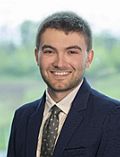 Curtis Weaver
BS in biology, minor in Spanish, Bucknell University, 2019
Why I chose Pitt
Being a native Pennsylvanian, the Pittsburgh GC Program was on my radar the moment I decided genetic counseling was the career I wanted to pursue. Having had the opportunity to shadow an alumnus of the Pitt Program during my time at Geisinger, I was able to see the success of the program in action. The more I learned about Pitt, the more I could see myself excelling here. The strong affiliation with UPMC, the extensive alumni network as one of the oldest GC programs in North America, and the incredible faculty I was able to meet during my interview were just some of the many things that influenced my decision to choose Pitt. Pitt’s position within the School of Public Health is also a huge benefit because of the natural synergy genetic counseling has with public health genetics. The city of Pittsburgh has plenty to offer as a student with many genetics-focused clinics and hospitals nearby as well as tons of things to do on the weekends. I couldn’t be more excited to begin my genetic counseling journey here in the Steel City!
Background
Research Project Coordinator for Simons Searchlight (Geisinger); Research Project Coordinator for SPARK (Geisinger); Patient Companion (Geisinger); GC Shadowing (Geisinger)
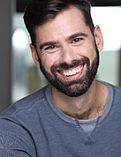 Jerome A. Doerger
BFA in acting with an emphasis in musical theatre, Wright State University, 2009
Why I chose Pitt
In response to the recent COVID-19 pandemic and its impact on healthcare and its illumination of public health, I felt a strong calling to redirect my professional career and pursue genetic counseling. Pittsburgh stood out as the perfect choice, offering a program with a historied legacy of training genetic counselors in diverse disciplines within the region's leading medical centers. The program's structure with a confidence-based learning system and hands-on clinical experience, bolstered by a comprehensive focus on public health, seemed like a great fit. In my previous work in genetic research, I learned of the importance of expanding patient access to genetic testing and education, especially in underserved and chronically neglected populations. I am excited by the opportunity to have experiences in genetic counseling coupled with public health and hope to help bridge the gap between individualized clinical care and broader population health.
Background
Study Coordinator (DHREAMS CDH Study, CARE EA/TEF Study, Natural History Study of Rare Genetic Disorders at Columbia University Irving Medical Center/CUIMC); Research Assistant (eMERGE Study, Studies of Pulmonary Hypertension, The Collaborative Registry for Williams Syndrome at CUIMC); GC Shadowing (CUIMC); ‘Pre-Genetic Counseling Experiential Practicum’ (Columbia University); ‘Why Genetic Counseling Wednesdays’ (Sarah Lawrence College); Supporting Artist for the CO/LAB Theatre Group which provides individuals with developmental disabilities a creative and social outlet through theater arts. In a previous life I was an actor who had the pleasure of spending a summer on the Benedum Center stage as an ensemble member of the Pittsburgh Civic Light Opera.
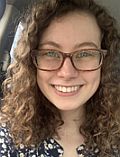 Alex Stauff
BS in biology, Gannon University, 2020
Why I Chose Pitt
Location was very important to me while looking at GC programs - both in terms of the healthcare systems in the area, and the community outside of school. As a lifelong yinzer and lover of this "big little" city, I am so excited to spend two more years learning and growing here. Pittsburgh is big enough that if you're interested in something, there's probably likeminded people already doing it. And it's small enough that you can become good friends with them! (Climbing and line dancing have been those things for me.) I loved the emphasis Pitt's program leadership placed on mentorship and student feedback. And it was clear to me in every interaction I had throughout the interview process that faculty and students truly care about one another and the work they're doing here.
Background
STEM Center Tutor (Gannon University); Resident Assistant (Gannon University); Certified Pharmacy Technician (Children's Hospital of Pittsburgh); Girls on the Run Coach (Greater Pittsburgh Area); GC Shadowing
Work Position
GCA at UPMC Magee-Womens Hospital
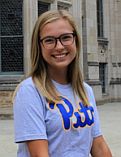 Megan Piechowicz
BS in biology, minor in genetic counseling, University Honors Program Scholar, Magna Cum Laude, Eastern Connecticut State University, 2023
Why I chose Pitt
Pitt’s reputation of successfully training numerous Genetic Counselors made me intrigued to explore the program. After shadowing an alumnus of the Pitt program while in my home state, and hearing about her positive experience, my interest grew. Faculty and other students within the program embodied kind, welcoming, optimistic, motivating, and encouraging energy that made me feel comfortable. Coming from a small undergraduate institution and program, the concept of cohort collaboration is one that I value. Lastly, the abundance of different clinical rotation options and connections that the program has throughout the city of Pittsburgh solidified my selection. I am very excited to begin the next chapter of my education as a Pitt graduate student.
Background
Genetic Counseling Internship and Shadowing (Middlesex Health), Crisis Counselor and Peer Support (Crisis Text Line), Aquatics Director and Water Safety Instructor (Town of Manchester, CT Recreation), University Honors Thesis and Independent Research - President's Award and Thesis Award Recipient (Eastern Connecticut State University), Genetics Teaching Assistant (Eastern Connecticut State University), Pre-Health Society Co-President (Eastern Connecticut State University), Student Ambassadors Co-President (Eastern Connecticut State University), Honors Club Vice President (Eastern Connecticut State University)
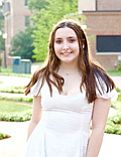 Jennifer Reif
BS in biology, College of William and Mary, 2023
Why I chose Pitt
When choosing a graduate school, I was searching for a place where students were passionate, curious, and excited to make the world a better place. I quickly discovered that The University of Pittsburgh perfectly embodied these values and went far above and beyond them. While encouraging an enthusiasm for learning, the Pitt School of Public Health also provides GC students the opportunity to learn about genetics through a broader population lense and understand the bigger implications of rapid scientific change. I also loved that the School of Public Health allows students to customize and specialize their education through unique certificate programs. Another extremely important factor when making my decision was Pitt’s dedication to inclusion and value of diversity. Not only does the program incorporate BEDI into the core of its curriculum, the extensive Pittsburgh hospital system serves diverse populations and, as a result, provides a learning environment where the future patients I will be working with are represented. Finally, I really valued the close mentor relationships within the program. The faculty deeply care about students’ success and goals and respect them as future colleagues. This dedication is exemplified through their active effort to communicate and check in with students, provide support and resources, and their willingness to meet with students at any time about a point of confusion, question, or just for a fun conversation about genetics! Likewise, the collaborative and caring environment between the students within the program made it clear that Pitt was the place I was meant to learn and grow into a GC.
Background
Certified Crisis Counselor (Crisis Text Line); Spanish Medical Interpreter (Eastern Shore Rural Health); Spanish Tutor (for students at Myers Park High School), Undergraduate Molecular Biology Teaching Assistant (College of William and Mary); Undergraduate Hispanic Studies Teaching Assistant (College of William and Mary); Undergraduate Research Assistant (Wawersik Stem Cell Genetics Laboratory in the department of Biology, William and Mary), Volunteer (The Arc of Greater Williamsburg)
 Alejandra Bernal
BS in bacteriology and clinical laboratory, Universidad Colegio Mayor de Cundinamarca, Colombia, 1991
Why I chose Pitt
From the beginning, Pitt got my attention as it has one of the most comprehensive websites of all genetic counseling programs. I appreciated how well organized and forthcoming the program is. As part of the School of Public Health, I felt that Pitt’s approach to patient care is more holistic and its J.E.D.I efforts would allow me to be involved in initiatives that aim to improve access to genetic services for historically marginalized communities. Pitt’s balanced curriculum would provide the foundation to start my career and the tools to navigate the constantly evolving field of genetics. The program’s confidence building approach to training also fits my learning style: I prefer to master the theoretical principles before moving on to patient care. As I learned more about the program during virtual and open house events, Pitt’s faculty conveyed how invested they are in their students’ learning process, wellbeing, and professional success. Talking to alumni and current students, I noticed how happy they were with their experiences at Pitt: they all described a positive and supportive environment. As someone mentioned during interview day: students are the best ambassadors of Pitt. Furthermore, being the second oldest program in the country, Pitt has a superb network of clinical sites with a substantial number of cases. This was very important for me, as I believe that professional skills are built through practice. Having access to renowned health networks would allow me to learn from knowledgeable counselors in diverse settings while becoming a more culturally responsive and competent genetic counselor. Final deciding factor? Pittsburgh! It is the perfect size, with a growing population that is becoming more diverse, amazing parks, a vibrant cultural life, and the city I have called home for the last few years.
Background
Volunteer, Therapy dog team (UPMC St. Margaret Hospital); Andrology and Endocrinology Laboratory Supervisor (Center for Reproductive Medicine, AHN Pittsburgh); Senior Embryologist (American Fertility Services NY); Preimplantation Embryologist (ARGC UK); Senior Embryologist, Cryo-storage Supervisor (Reproductive Genetics Institute, Chicago); Embryologist (Conceptum, Colombia); Embryology Fellow (Institute Valenciano de Fertilidad, Spain); Bacteriologist, clinical laboratories (Colombia).
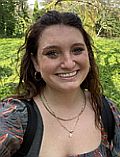 Samantha Pokorny
BS in genetics, University of Georgia, 2021
Why I chose Pitt: After starting my genetic journey in Pittsburgh as a genetic counseling assistant and then furthering my education with an MPH at Pitt, I was able to have an intimate understanding of the unique educational approach taken by the Human Genetics department – one that expresses the need for clinical and public health genetics in all facets of the field. I was glad to see my values reflected in the program - a holistic understanding of the profession, patient advocacy, cultural competence, and effective communication. The vast array of specialties, the multi-hospital rotation opportunities, lessons on the importance of ethical and psychosocial awareness, and the confidence-building model are all reasons that Pitt stood out to me as a program. It is here where I took my first steps into the field as a genetic counseling assistant, where I am growing my education as a master-level student, and where I will continue writing my story by becoming a genetic counselor.
Background: Unpublished Research on Analysis of Allegheny Health Network’s Colorectal Cancer Oncology Department Referral Rate to Cancer Genetics for Genetic Testing of Lynch Syndrome; GC Shadowing (UPMC Children’s, AHN Cancer, AHN Prenatal); Spanish for Successful Communication in Healthcare Settings Certificate (Rice University); Minor in Biology (University of Georgia); Global Education and Leadership Certificate (University of Georgia); Crisis Hotline Advocate (The Cottage: Sexual Assault Center & Children's Advocacy Center); Undergraduate Laboratory Research Assistant (University of Georgia’s Devos Laboratory); Director of Pre-Allied Health Division-Hospital Relations (Georgia Pre-Health Shadowing Association); Genetics Mentor (University of Georgia’s Genetic Education and Networking Society); Statistics Tutor (University of Georgia)
- Why the Class of 2024 Chose Pitt
Grace Waldow
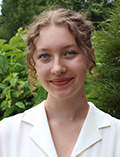
BS biological sciences and psychology, minors in chemistry and classical civilization, University of Pittsburgh, 2022
Why I Chose Pitt
I chose to attend Pitt because the program emphasizes public health, concentrates the course load in the first year, and trains students to be effective genetic counselors. I have worked with several genetic counselors who graduated from the Pitt program and admire the knowledge base and flexibility they developed; in addition, the program came with the highest of recommendations! Pitt is unique because of the extensive hospital systems in Pittsburgh, allowing genetic counselors and students to serve diverse patient populations and gain exposure to a variety of cases. Finally, while interviewing, I was impressed that program leadership was innovative, efficient, and fostered a collaborative and friendly atmosphere with their students.
Background
Genetic Counseling Assistant (UPMC Children’s Hospital of Pittsburgh); Biology and Chemistry Tutor (University of Pittsburgh Athletics); Sexual Assault Counselor (Pittsburgh Action Against Rape); Health Center Advocacy Program Volunteer (Planned Parenthood of Western PA); Business Manager of Planned Parenthood Club (University of Pittsburgh); Organic Chemistry I Undergraduate Teaching Assistant (University of Pittsburgh); Cofounder of the Peer Survivors' Support Network (University of Pittsburgh); Undergraduate Research Assistant (Learning in Neural Systems Lab, University of Pittsburgh); GC Shadowing (UPMC Children's Hospital of Pittsburgh, Master Genetic Counselor Series)
Work Position
Genetic Counseling Assistant (Laboratory Genetic Testing Utilization Management, UPMC Children’s Hospital of Pittsburgh)
Elian Buchi
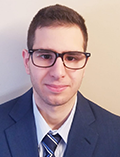
Bachelor of Science in Bio Behavioral Health, Penn State University, May 2021, Magna Cum Laude
Why I chose Pitt
The University of Pittsburgh’s Genetic Counseling program is a prestigious and rigorous program that allows students the ability to customize their learning experience alongside highly esteemed colleagues, faculty, and staff. I was drawn to this program due to my passion for public health, genetics and affording my future patients and families high-quality, evidence-based patient care. I believe that the School of Public Health is the place for me, and I am excited to complement my undergraduate studies of Bio-behavioral Health while adding to my knowledge, experience, and passion for genetic counseling. I was attracted to the University of Pittsburgh because of the location being in close proximity to world-renowned teaching hospitals and clinics. With the numerous subspecialties of genetic counseling, having a variety of clinics available to students will give them the best opportunity for learning during the clinical year of the program. Furthermore, being in an urban environment allows for more exposure to a wide range of patients from various cultural backgrounds and languages. Additionally, this program is design in a way that concentrates all the course work in the first year, thus leaving the second year for clinical rotations. In my view, this was an advantage point for the program at the University of Pittsburgh due to the ability for students to apply what they learned in the classroom on rotations. Finally, from the moment I learned about the Genetic Counseling program at Pitt and in talking with the faculty, staff, and students, I was able to sense the supportive and cohesive environment within the program. The students shared my passion for collaboration and bringing patient-centered care to the forefront of an ever changing filed. They seemed to care a lot about each other and eager to help one another, I felt that there was a collaborative rather than a competitive attitude. It is my honor to be in the 2024 cohort of the university of Pittsburgh’s Genetic Counseling program learning alongside the best and brightest in our field.
Background
Genetic counseling shadowing experience at Pittsburgh Children’s Hospital in Lawrenceville, Magee women’s Hospital in Pittsburgh, and Pittsburgh Children’s Hospital in Monroeville PA. Research assistant at Penn State University New Kensington Department of Criminal Justice. Substitute teacher at Burrell High School. Volunteer fire fighter Lowe Burrell Fire Company #3
Work Position
COVID-19 Concierge (University of Pittsburgh)
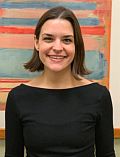 Nicole Weise
BS biological sciences, University of California, Santa Barbara, 2016
Why I chose Pitt
The first genetic counselor that I ever shadowed was a Pitt graduate, and I have had the opportunity to interview several other graduates who spoke highly of Pitt’s MSGC program. Each emphasized the ample amount of support offered by program leadership, current students, and clinical supervisors in Pittsburgh. This support is the reason I chose Pitt: the program’s confidence-building model provides students with a strong educational foundation that they can properly utilize in the clinic. As an older program applicant, I felt that this model would enable me to relearn complex genetic concepts and attain the support I needed before diving into rotations. Additionally, Pitt’s MSGC program is housed within the School of Public Health, which enables its students to earn a more multidisciplinary viewpoint of genetics. Pitt MSGC students are able to take courses with other students in the Human Genetics Department and the School of Public Health. Because genetic counselors work with a wide variety of researchers and care providers, being able to learn alongside students from other disciplines and programs will provide me with the chance to interact with and learn from my future colleagues.
Background
Executive Administrator (La Jolla Institute for Immunology); Veterinary Technician Assistant (VCA CARE Specialty and Emergency Animal Hospital); Teaching Assistant (UC Santa Barbara Orfalea Family Children’s Center); Volunteer Researcher (UC San Diego Moores Cancer Center); Crisis Counselor (Crisis Text Line and The Trevor Project); COVID-19 Vaccine Super Station Volunteer Coordinator (UC San Diego Health); Genetic Counseling Intern (Ridley-Tree Cancer Center); Tutor and Peer Mentor (UCSB-HHMI Undergraduate Science Research Program)
 Gabi Slizewska
BS Natural Sciences, University of Pittsburgh, 2019
Why I chose Pitt
I knew this program would be my top choice right after my admissions interview. The leadership is incredibly kind and approachable. It’s clear that they are excited about the work they do, and it’s impossible not to get excited with them! While the program is well-established, the leadership is very open to change and feedback from students. Each aspect of the program is well-thought-out. With most coursework taking place in the first year, students are able to focus on absorbing knowledge and get ready to apply the things they learn to the clinical rotations in the second year. There is a lot of focus on improving diversity, equity, and inclusion within the program and within the genetic counseling field, which is important to me. The program is also located within the school of public health which gives students a more patient and community oriented education.
Background
Education Content Manager and Science Content Creator (Expii), volunteer at Planned Parenthood of Western Pennsylvania, trained listener (7 Cups of Tea)
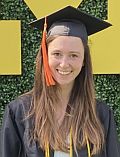 Emily Hrach
BS biology, health, and society, minor in the history of health and medicine, University of Michigan 2021
Why I chose Pitt
Pitt’s program has always been a dream for me. I loved that the first-year concentrates on coursework and that the program is one of the most established in the country. UPMC and AGH are incredible healthcare networks, and I knew that I would be learning from some of the best genetic counselors. During initial meetings and information sessions, it was clear that the faculty was knowledgeable and passionate, which was important to me when choosing a school. Later, during my interviews, everyone I met was extremely kind and eager to talk about what makes Pitt’s program special. Between the various certificate options, a wide variety of clinical rotations, and its renowned reputation, there was nowhere I would rather pursue my degree. Pittsburgh is also my hometown, and I’m so excited to move back to my favorite city with its vibrant neighborhoods, beautiful parks, and wonderful people.
Background
Crisis Line Supervisor (Ozone House Family Services, Ypsilanti, MI) ; Genetic Testing Accessioning Technician (Progenity, Ann Arbor, MI) ; Undergraduate Research Assistant (Molecular Genetics of Blood Clotting, University of Michigan Life Sciences Institute, Ann Arbor, MI) ; Volunteer Neurorehabilitation Assistant (Milestones Pediatric Neurorehabilitation Clinic, Ann Arbor, MI) ; President of F.E.M.M.E.S. (Women+ Excelling More in Math, Engineering, and the Sciences) ; Alpha Epsilon Delta Pre-Health Honors Society
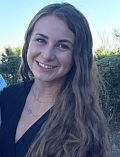 Alexandra Larson
BS biology, Hope College, 2019
Why I chose Pitt
The bold vision statement of Pitt’s program hooked me immediately. After attending open houses and speaking with current students, I recognized that Pitt’s program is truly committed to building leaders in a future that embraces genomics in healthcare. More importantly, my interview with Pitt reinforced that program leadership emphasizes integrity, collaboration, and sincere attention to student feedback. Since the program is housed within the School of Public Health, I was also intrigued by professional training on how to improve patient health at both individual and community levels. The Pitt program boasts a few other dazzling features that caught my eye such as a primary care rotation, supplemental certificate programs, and opportunities to participate in LEND. A lot of little things and friendly faces stirred up the gut feeling that Pitt would foster a great start to my career in genetic counseling and I could not be more thrilled.
Background
Genetic Counselor Assistant (Michigan Medicine); COVID-19 Testing and Vaccination Coordinator (Optalis Healthcare); Rehabilitation Technician (Hope Network Neuro Rehabilitation); Client Advocate (Positive Options); Microbiology Laboratory Technician (Hope College Biology); REU Intern (Whitney Laboratory for Marine Bioscience); Student Researcher (Hope College Chemistry)
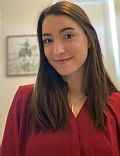 Caitlyn Sibskie
BS psychology and neuroscience, Western New England University, 2020
Why I chose Pitt
Pitt’s GC program stood out to me because of its basis in public health and the ability to pursue a dual degree in genetic counseling and public health genetics. When I began my MPH in 2021 I instantly felt welcomed and supported by both the faculty and my peers, and I couldn’t imagine pursuing a degree in genetic counseling anywhere else. As a dual degree student I am excited to be able to apply the knowledge that I have learned in public health courses to genetic counseling, and learn about genetic counseling through a public health lens. I am also excited to be able to continue to explore Pittsburgh. I am from a small town and moving to the city was daunting to me, but I have found Pittsburgh to be very welcoming and approachable. I am so happy and grateful to be able to call Pittsburgh home for two more years!
Background
Leadership Education in Neurodevelopmental and Related Disabilities Medium-Term Trainee (LEND, University of Pittsburgh); Applied Behavioral Analysis Technician (Positive Behavior Supports Corp.; Attain ABA); GC Shadowing (Geisinger Medical Center; Helen and Harry Gray Cancer Center at Hartford Hospital); Crisis Counselor (Crisis Text Line); Undergraduate Research Assistant (Neuroscience Department, Western New England University); Data Intern (Broadstreet’s COVID-19 Data Project); Healthy Sexuality Co-Facilitator (Girls Inc. of the Valley Eureka Program)
 Saad Akhtar
BS in Biology, UMass Amherst 2016
Why I chose Pitt
When considering which programs I wanted to apply to during my application process, I thought a lot about the focus of each program, where they were located and what opportunities would be available to me as a student. Pitt’s focus on public health and the option of pursuing a dual MPH/MS degree as part of it’s program was a major factor in influencing my decision to come here as a student. Having worked at a few different healthcare related positions after completing my undergraduate degree, I was really interested in public health and healthcare both inside and outside a clinical setting, so it was important to me that the program I was in also shared those values. I also appreciated the fact that Pitt is located centrally in a major city with access to public transportation and a relatively low cost of living as compared to other cities across the US. I appreciate that there’s something to do every weekend here and lots of opportunities to get involved in organizations both on and off campus. The sense of community and collaboration within the Human Genetics department was also really appealing to me as well as someone new to Pittsburgh. As a person of color and first generation immigrant, the departments commitment to DEI efforts was important to me as well.
Background
Intern (Bridging the Gaps Pittsburgh); Genetics Patient Service Coordinator (Massachusetts General Hospital); Site Coordinator (Skylight Health); EMT (Fallon Ambulance);Laboratory Technician (Eton Biosciences); Lab Assistant (UMass Amherst);Volunteer/Youth Division Coordinator (Red Cross)
Work Position
Genetic Counseling Assistant at UPMC Hereditary GI Tumor Program
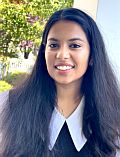 Gopika Rajanikanth
BS biological sciences, minors in chemistry and creative writing, certificate in global health, University of Pittsburgh, 2022
Why I chose Pitt
I attended Pitt as an undergraduate, and during my time here, I learned a lot about the Pitt genetic counseling program that made me want to continue my education here. I was involved with the Pitt genetic counseling club, and every year, we invited first and second year students from the Pitt genetic counseling program to speak to us about their experiences. Based on these interactions, I could tell that the students were all supportive of each other and that the program created an encouraging environment for them. In addition, I like the fact that Pitt’s program utilized the confidence-building model, and students completed all their coursework in the first year before transitioning into rotations. I felt that approach suited my learning style and would help me feel more prepared and confident in my abilities before working with actual patients. Lastly, I appreciate the fact that the program is housed within the School of Public Health and students are able to tailor their education with certificates or the dual degree because it will give us a unique perspective during our future careers. I’ve really enjoyed my time in Pittsburgh the last few years, and I’m excited to continue my training at Pitt!
Background
Business Manager and Communications Committee Editor-in-Chief (Pitt Genetic Counseling Club), Crisis Counselor (Crisis Text Line), Classroom Teaching Assistant for Adult Basic Education Classes (Goodwill Southwestern Pennsylvania), Undergraduate Research Assistant (Pitt Department of Health and Human Development), Biology Peer Advisor (Pitt Department of Biological Sciences), Camp Counselor (PALS Programs), Genetic Counseling Shadowing (UPMC Magee-Womens Hospital)
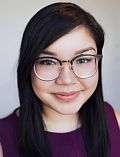 Leann To
B.S. in Microbiology, University of Oklahoma, 2019
Why I chose Pitt
As a Vietnamese American woman, I wanted to enter the field as someone who is passionate about health equity and inclusion, and I was confident that the University of Pittsburgh’s Counseling program would train me to be a perceptive genetic counselor who is dedicated to patient-centered and culturally competent care. With the second oldest genetic counseling program in the country, I admired the fact that a well-established program continues to adapt and evolve alongside the ever-changing field of genetics. Additionally, my extensive research background has taught me the importance of integrating genetics research into clinical and public health settings, and with Pitt’s emphasis on public health, I am excited to expand my knowledge and skillset as a graduate student. I aspire to advocate for my patients through equitable education and culturally competent care, mentor and empower future genetic counselors from underrepresented backgrounds, and advocate for initiatives to diversify the historically homogenous genetic counseling workforce. The program’s interdisciplinary approach, student-centered faculty and leadership, and robust clinical opportunities will help me succeed in my goals and prepare me as a leader in the field of genetic counseling.
Background
NIH Clinical Research Postbaccalaureate IRTA Fellow (Bethesda, MD); NIH Academy Fellow (Bethesda, MD); NIH Peer Mentor (Bethesda, MD); NIH Community College Summer Enrichment Program Intern (Bethesda, MD); Genetic Counseling Shadowing (National Cancer Institute, National Eye Institute); Text Line Volunteer (Crisis Text Line); Manos Juntas Free Medical Clinic Volunteer (Oklahoma City, OK)
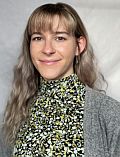 Victoria Kostour
B.S. in Molecular and Cell Biology, B.S. in Psychological Science; University of Connecticut, 2022
Why I chose Pitt
As I was looking through genetic counseling programs, Pitt stood out to me for many reasons. Firstly, I appreciated Pitt’s emphasis on collaboration across disciplines. The ability to take classes with students outside the genetic counseling program as well as pursue a dual degree in public health was highly unique. Even as a well-established program, it was evident that the program leadership was committed to evolving with students’ needs. I valued the program’s confidence-building model, so that students feel empowered entering clinical rotations their second year and use that time to focus on developing their counseling skills. I also couldn’t discount the opportunities the city itself brought. The population diversity, healthcare systems, food scene, and dynamic topography of Pittsburgh were all such an added plus! Considering these factors, I knew the program at Pitt would support my career goals and best prepare me to pioneer the future of genomic medicine.
Background
Undergraduate Research Assistant (NP-OILD Lab, Department of Nutrition, University of Connecticut); Honors Guide for Peer Success Mentor (Honors Program, University of Connecticut); Virtual Genetic Counseling PURE Internship (Medical College of Wisconsin); Volunteer Crisis Counselor (Crisis Text Line)
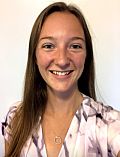 Megan Zieber
BS Biochemistry/Molecular Biology & BS Psychology: Neuroscience, Pennsylvania State University, 2020
Why I chose Pitt
As a graduate student in the Master of Public Health (MPH) in Public Health Genetics Program, continuing in Pitt’s Genetic Counseling Program was a natural fit.Living in Pittsburgh the past two years, I found many ways to be involved in this beautiful “City of Three Rivers”.During that time, I built a support network of faculty and fellow students who genuinely care about my progression as a genetics professional and individual.I was also drawn to Pitt’s confidence-building curriculum.I prefer to be as prepared as possible, so having most of the coursework under my belt before applying it in clinical rotations appealed to me.The diversity of populations and accessible world-renowned healthcare systems in the Pittsburgh area solidified my choice of programs.I am excited to continue my education at Pitt as a dual degree student.
Background
Certified Crisis Counselor (Crisis Text Line); Graduate LEND Trainee (University of Pittsburgh); Mentor for BSPH Students (University of Pittsburgh); Intern (COTRAIC, Early Head Start); GC Shadowing (Geisinger Medical Center); Undergraduate Research Assistant (Genetics of Neurodevelopmental Disorders in the Department of Biochemistry & Molecular Biology, Penn State); Volunteer (UPMC Children’s Hospital of Pittsburgh & UPMC Community General Osteopathic Hospital); All Things Genetics Club Member (University of Pittsburgh)
Work Position
Certified Pharmacy Technician (Rite Aid)
- Why the Class of 2023 Chose Pitt
 Why I chose Pitt: There were several reasons that Pitt was my top choice for genetic counseling programs. I explored public health during my undergraduate career and was immensely interested in applying population health concepts to healthcare, including genetic counseling. Having the program housed within the School of Public Health means that public health concepts are continuously emerging in our classes, and I was excited to learn about genetic counseling through that lens. I'm also pursuing the dual degree in genetic counseling and public health genetics because of this excitement and desire to take my public health education a bit further as well. I was additionally excited about the confidence-building model offered at Pitt. Most genetic counseling programs don't give you the opportunity to take almost all of your classes prior to starting clinical rotations. Being able to have a firm knowledge base prior to delving into the clinical aspect was really appealing to me because I really enjoy being as prepared as possible. Pitt felt like the perfect program for me on a personal and academic level!
Background: Compassion counselor (Chronic Illness Hotline); research assistant and volunteer (Sanders-Brown Center on Aging Alzheimer’s Disease Center, University of Kentucky); medical transcriptionist for an orthopedic surgeon (Nuance); trained active listener (7 Cups of Tea)
Ariel Breeze (BS biology with minor in psychology, University of Kentucky, 2019)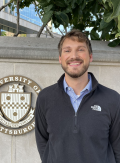 Why I chose Pitt: As a returning student with a few gap years, I favored the Pitt MSGC academic layout over other programs. Starting the year made up primarily of classes and coursework would allow me to dust off my study habits and focus my efforts. In addition to this structural fit, I had family members and close friends living nearby. With surrounding support systems, all within the realm of the wonderful city of Pittsburgh, my decision to join Pitt was solidified. Support comes from within the program as well, having a team of fellow students and faculty members that genuinely care about your mental health as well as your progression. As a current dual degree-seeking student, the uniqueness of the public health genetics degree also caught my eye, offering additional perspectives on the growing field of genetics and genetic counseling.
Background: Cancer Genetic Counseling Assistant (Geisinger Medical Center, Danville, PA); Certified Health Research Assistant (MyCode Community Health Initiative, Danville, PA)
Daniel Brennsteiner (BS biology with minor in chemistry, University of Pittsburgh at Johnstown, 2015)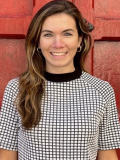 Why I chose Pitt: I knew that the Genetic Counseling program at Pitt would be a perfect fit for me because it encompassed everything that I was hoping to find in a graduate school. The program fosters a collaborative environment that provides constant support and mentorship from the directors, local genetic counselors, and other individuals within the department of Human Genetics. The medical community associated with Pitt is something that I am excited to be part of. The diversity of the healthcare systems in the area allows for increased opportunities for involvement and exposure to the field. I appreciate the value Pitt places on a well-rounded education through the emphasis on public health, and having the ability to work with students outside the program. As a Pitt alum, I couldn’t be happier to be back home.
Background: Genetic Counseling Assistant (Hospital of the University of Pennsylvania, Neurology); Neurogenetics Research Coordinator (Hospital of the University of Pennsylvania, Neurology); Crisis Counselor (Crisis Text Line)
Work Position: Genetic Counseling Assistant, UPMC Eye Center
Morgan Brzozowski (BS biological sciences, double major in psychology, minor in chemistry, University of Pittsburgh, 2019)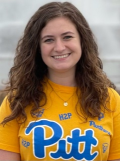 Why I chose Pitt: From the time I began considering genetic counseling, I was always intrigued by the dual degree option at Pitt. Not only is the program housed in the School of Public Health, but there is a clear pathway for students who wish to explore public health further through the dual degree. Knowing that both my interest in genetic counseling and my interest in health, as it relates to literacy, could be nurtured at Pitt kept the program high on my list. When I started in the MPH program in fall 2020, I was immediately blown away by the welcoming atmosphere that Pitt provided—not only in my department, but across the university. I quickly became accustomed to the culture of support and understanding here and knew that there was no other place I would want to continue my education to become a genetic counselor. As a dual degree student now, I am still in awe of the way all of my faculty promote my success and confidence over anything else.
Background: Volunteer Crisis Counselor (Crisis Text Line); Undergraduate Teaching Assistant (Biology Department, Penn State); Undergraduate Research Assistant (Hanna-Rose Lab, Penn State); President (Science LionPride, Penn State); Peer Buddy (Communicating through Performance, Penn State); Graduate Student Representative (Nondiscrimination, Equal Opportunity, and Affirmative Action Policy Committee, Pitt); Tutor (Student Athletic Academic Services, Pitt)
Work Position: Research Assistant with UPMC Shadyside Nursing Education and Research
Madalyn Charnego (BS biology - genetics and developmental biology with a minor in deafness and hearing studies, Pennsylvania State University, 2020) Why I chose Pitt: I was initially drawn to Pitt’s program because it’s housed within a university with an excellent reputation for clinical research and a city known worldwide for its health systems. I was excited by the wide breadth and accessibility of Pitt’s clinical rotations, and was particularly interested in their more unique rotations like primary care. Pitt’s program being positioned within the School of Public Health was another huge draw for me, since it encourages interdisciplinary collaboration and infuses a valuable public health perspective into the GC curriculum. When I spoke with faculty and students during my interview, I could immediately tell that Pitt fosters an encouraging and supportive environment that I wanted to be a part of. It was clear to me that the program truly prioritizes developing confident, capable, and compassionate genetic counselors. Pitt’s dedication to their students, combined with the fact that Pittsburgh is such a fun and livable city, made the program the obvious choice for me. I’m so excited to be a part of this amazing community at Pitt and begin my training in the lovely city of Pittsburgh!
Background: Genetic Counseling Shadowing (Geisinger Medical Center); Undergraduate Research Assistant (Anthropological Genomics Laboratory, Penn State and Bollinger-Krebs Bioinorganic Chemistry Laboratory, Penn State); Undergraduate Teaching Assistant (Introductory Microbiology Laboratory, Penn State); Caring Hospice Volunteer (Lancaster, PA); Crisis Center North Crisis Hotline and Text Line Volunteer (Pittsburgh, PA); Science Writer (Getson & Schatz Immigration Law Firm)
Work Position: Genetic Counseling Assistant at UPMC Hereditary GI Tumor Program
Kate Cioffi (BS in biochemistry and molecular biology, biochemistry option, Penn State University, 2019)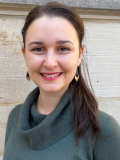 Why I chose Pitt: Pittsburgh has been my US home since moving from Australia and I was thrilled to find out that the country’s second oldest genetic counseling program was just down the road. When I met with staff, students, and alumni from the Pitt program, I had such positive experiences, everyone was so welcoming and encouraging of my journey to be genetic counselor and all had such great things to say about the program. After these interactions, plus speaking with GCs in the Pittsburgh region who are clinical supervisors, I knew that Pitt was the perfect place for my education and development as a GC. The Pitt program also has so many clinical opportunities within close reach of the city limits, as well as the possibility to do a rotation abroad, both of which made me even more pleased to apply to the program. I am incredibly excited to begin my genetic counseling career as a Pitt student.
Background: Client Relations Manager & Florist (Allison McGeary Florist); Genetic Services Committee Member (PAGC); Next Chapter Book Club Volunteer (Carnegie Library East Liberty); Library Volunteer (Carnegie Library Squirrel Hill); Dress for Success Volunteer (Allegheny Branch); Webinar Coordinator (Queensland Education Science Technicians); Scientific Operations Officer (Pittsworth State High School); Secretary & Newsletter Editor (Golden Key Executive Committee at USQ); Peer-to-Peer Tutor (USQ); Demonstrator Assistant (USQ); Summer Research Scholar (Australian National University)
Lucy Galea (BS environment & sustainability, 2013 & BS Honors biology, 2014, University of Southern Queensland)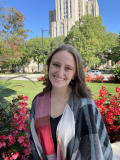 Why I chose Pitt: I had the pleasure of attending Pitt for my undergraduate career and I fell in love with the university and the city. When applying to graduate school I knew I wanted to come back to Pitt for a multitude of reasons. In working with the genetic counseling club, I was able to see the supportive environment fostered by the genetic counseling program directors and the genetic counselors in the city. Another major contributor to my decision is students’ ability to receive a dual degree in public health genetics. Through the dual degree program, I am able to learn additional skills which help foster my passion for equity in access to genetic services and community engagement. Unlike most programs Pitt has a primary care clinical rotation. I am excited to see how this will incorporate into the field of precision medicine, a forefront of clinical care in which genetic counselors will play an integral role. The ability to have a work position throughout my schooling was important for me and Pitt always emphasized their support for working students. The supportive environment and diverse opportunities are why I choose Pitt.
Background: Intake Coordinator (Specialized Therapy Associates); Evaluator (Collaborative for Evaluation and Assessment Capacity); Sexual Assault Crisis Line Volunteer (Pittsburgh Action Against Rape); President and Volunteer Coordinator (Pitt Genetic Counseling Club); Browne Fellowship (University of Pittsburgh, School of Social Work)
Work Position: Clinical Research Intern, Therapeutic Research in Neuromuscular Disorder Solutions (TRiNDS)
Carolyn Maxwell (BS biological sciences with minor in chemistry, Certificate Conceptual Foundations of Medicine, University of Pittsburgh, 2020)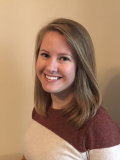 Why I chose Pitt: Beyond being drawn to Pitt’s reputation for all-around excellence in education, I was specifically drawn to the Genetic Counseling Program for its goal of fostering leaders in science and health care through the study and understanding of genomic information. I was also pleased to discover that Pitt’s Genetic Counseling Program is housed within the Graduate School of Public Health. Not only does this provide students with the unique opportunity to customize their education and pursue a dual degree in Genetic Counseling and Public Health, but it ensures both curriculums contribute to an overarching goal of health equity for everyone—something very important to my personal and professional values.
Background: Registered Nurse with positions in Public Health, Reproductive Health and Pediatric Metabolism and Genetics, Victim Services Certified Advocate; Volunteer (Ronald McDonald House); Peer Educator (Center for Alcohol Studies and Education, University of Wisconsin-Eau Claire)
Glenna Noska (BS nursing, University of Wisconsin-Eau Claire, 2013)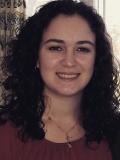 Why I chose Pitt: Pitt’s program stuck out to me from when I first learned about genetic counseling. I became familiar with the program as an undergraduate student at Pitt through the genetic counseling club, where I heard from first- and second-year students about their experiences in the program. They all seemed so close with one another, which was very important to me. The program leadership seemed very supportive of the students as well. I also got the chance to work with Pitt alumni and see how well the program prepared them for their jobs. Additionally, our coursework is concentrated in the first year, which is my personal learning preference. Because we are so focused in clinical rotations in our second year, I think this will help with translating our skills into the workforce once we graduate. It is also great that students get to experience both of the fantastic hospital systems in Pittsburgh to see how different hospitals and specialties within hospitals are run on the clinical side and how operations in whole hospital systems can differ. The public health focus of Pitt’s program is also unique, and the program gives you a very relevant perspective of the field no matter whether or not you choose to add a dual degree or a certificate. Pittsburgh has also been an amazing place to live and has so much to offer, from the restaurant and bar scene to all of the sporting events and the unique neighborhoods to explore. I am so excited to spend two more years here!
Background: Genetic Counselor Assistant (Nationwide Children's Hospital); Laboratory Genetic Testing Utilization Management Student Worker at (UPMC Children's Hospital of Pittsburgh); GC Shadowing (Nemours A.I. DuPont Hospital for Children and Children’s Hospital of Philadelphia); Peer Educator at the Stress Free Zone (University of Pittsburgh); volunteer at Family House (Pittsburgh, PA); "Big Sister" (Big Brothers Big Sisters of Greater Pittsburgh); undergraduate teaching assistant for Introduction to Microbiology Lab (University of Pittsburgh); undergraduate research assistant (Department of Psychiatry, University of Pittsburgh); Vice President of University of Pittsburgh Student Health Advisory Board, Genetic Counseling Club (University of Pittsburgh)
Rebecca Oberschmidt (BS biological sciences, minor in chemistry, University of Pittsburgh, 2020) Why I chose Pitt: I chose Pitt because of its intersection between genetic counseling and public health. Both are imperative to providing effective counseling and will help drive the future of public health genetics. Making sure we are all trained on not only the basics of genetic counseling but keeping us up to date on all DEIA initiatives and maintaining an open and supportive environment for learning and growth. Additionally, the program and program leadership are very supportive of all of their students and strive to ensure that our wellbeing is taken care of, along with our education. I know that being a part of this program will not only set me up for success in my future as a genetic counselor but also has provided me with a supportive and great community.
Background: Project Sunshine DC chapter; Aquatic Therapeutic Recreation for Montgomery County; Business Manager/Administrator (Pitt Public Health Student Government Association)
Work Position: Genetic Counseling Assistant, Program Assistant for GeneDx
Samantha Runa (BS biology with minor in chemistry and political science, Oregon State University, 2016) Why I chose Pitt: As I was researching genetic counseling programs, Pitt’s program had several factors that stood out to me. I was drawn to Pitt’s program for its confidence building model. I liked how most of the courses are completed in the first year, so that students have a solid foundation going into clinical rotations during the second year. With the program housed in the Graduate School of Public Health, getting to learn through a public health perspective was also something that I found unique. In addition, Pitt has such an established program with welcoming faculty and an extensive alumni network, so I felt that I would be well supported throughout the two years of the program. Outside of the program, Pittsburgh is a fun city to explore with its vibrant neighborhoods, scenic parks, and great restaurants!
Background: Clinical Data Manager (Comprehensive Research Solutions, Bethesda, MD); Clinical and Research postbaccalaureate fellow (National Cancer Institute); Summer research intern (National Cancer Institute); Volunteer (The Trevor Project); Undergraduate Teaching Assistant: Psychology of Women (University of Maryland); University Honors Peer Mentor (University of Maryland)
Impana Shetty (BS cell biology & genetics, BS psychology, University of Maryland College Park, 2017) Why I chose Pitt: My decision to apply to Pitt was informed by my mentors and my experience working in Pittsburgh. I moved from Texas to Pittsburgh for a position as a genetic counselor assistant and Pittsburgh quickly became my new home. The genetics community here is set on helping students succeed and the local community is equally as generous. In addition, the opportunity to work towards a Masters of Public Health was an opportunity that I did not want to miss out on as I greatly value the impact public health has on medicine. Pittsburgh is a great example of public health working well; students can ride the city buses for free, there are many grocery stores and markets close by, and there are community health clinics within walking distance of many residential areas. The Pitt Public Health and Genetic Counseling programs are well-established and their long withstanding culture of mentorship has helped Pittsburgh stand out as a keystone of medical genetics as a whole. I am very thankful to have a role here!
Background: Ronald E. McNair Post-Baccalaureate Scholar (UTSA); McNair Scholar Student Research Intern (UTSA); Medical Humanities Student Organization Co- President (UTSA); Crisis Counseling (Crisis Text Line); Reading Buddy (San Antonio Youth Literacy Group).
Work Position: Genetic Counselor Assistant, UPMC Children’s Hospital of Pittsburgh, Division of Genetic and Genomic Medicine
Elise Williams (BA medical humanities with minor in biology, University of Texas at San Antonio, 2019)- Why the Class of 2022 Chose Pitt
 Why I chose Pitt: My interview experience at Pitt was unique in that I immediately felt like I fit with the current students and faculty. The students were welcoming, passionate, and seemed to be each other's biggest supporters, which was something that I was looking for in my graduate school environment. I had great conversations with the faculty and genetic counselors throughout my interview day, and could tell how student-centered the program was. In addition, during my two gap years I worked with a genetic counselor who was an alumna of the Pitt program, and she had nothing but positive things to say about her experience. These factors, along with the fact that the program is housed in the school of Public Health, made Pitt stand out to me as I was considering my rankings. Though it's not completely tangible, the fact that I felt connected to the students and faculty after just one day on campus at Pitt was what completely sealed the deal for me!
Background: Research assistant at the Lombardi Cancer Center (Georgetown University); Crisis Text Line volunteer (Online); teaching assistant (Georgetown University); peer mentor (College of Wooster); student health center peer educator (College of Wooster); vice president of the Psychology Club (College of Wooster); research assistant at the Ophthalmology Genetic Counseling Clinic (University of Michigan); genetic counseling shadow through the University of Michigan and Georgetown University
Work Position: Genetic counselor assistant at Magee-Womens Hospital
Savannah Binion (BA in psychology, College of Wooster, 2018) Why I chose Pitt: I chose Pitt for my genetic counseling education for several reasons. I was drawn to the school’s unique emphasis on genetics in public health. I also appreciated the overall structure of the program that allows for most courses to be completed in the first year so students are fully prepared to take part in clinical rotations. After visiting Pittsburgh I quickly realized I wanted to be a part of this passionate, dedicated group of people. Even though we are only a few weeks into classes, I already feel the support of this close-knit genetics community.
Background: Genetic counseling assistant (GeneDx); volunteer genetic counseling assistant (Advocate Lutheran General Hospital); crisis intervention hotline volunteer (Crisis Center of Johnson County); online support group administrator, Make-A-Wish volunteer (Northern Illinois)
Elizabeth Bombal (BS in biology, genetics and biotechnology track, minors in psychology and informatics, University of Iowa, 2017) Why I chose Pitt: I applied to Pitt because of the program’s established history, its integration of public health into the GC program curriculum, and engaging activities written by students on the program’s blog. Before the pandemic, I was very lucky to get to do an in-person interview at Pitt, where I enjoyed it very much and learned that the program has much more to offer: compassionate and dedicated program leaders, the amazing alumni network, and diversity in clinical rotations in a prominent health care system. Passionate about improving Viet genetic health with cultural competency, I strongly believed that Pitt GC program’s public health approach would equip me with powerful tools to make a difference in my community. Furthermore, living in Pittsburgh is a cherry on the top. The city is peaceful, affordable, and diverse with a unique vintage charm.
Background: Volunteer at Trauma Intervention Program (Orange County, CA); volunteer and GC shadow at Cancer Genetics Center (St Joseph’s Hospital); STEM and psychology tutor (C2 Education); Newhope crisis hotline counselor (Orange, CA); genetic counseling shadow intern (Dr. Cowan’s Office); student research assistant in molecular genetics (University of California, Irvine); genetics peer tutor (UCI)
Work Position: Vietnamese Medical Interpreter and Translator
Phuc Thi Hong Do (BS in genetics, UCI, 2019)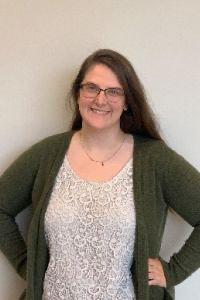 Why I chose Pitt: When looking to apply to programs, Pitt’s program stuck out to me by having students take most coursework in the first year of training and then having a focus on clinicals during the second year. Hearing more about this program design, I knew that this confidence building model was a great fit for my learning style. With Pitt being housed in the Graduate School of Public Health, classes are taken with students pursuing different degrees. I felt it was important for my education to be in a program that promotes collaboration between a variety of disciplines. During my interview, it was apparent that the program leadership fostered a welcoming and supportive environment to help students become well-rounded genetic counselors. I am excited to start my graduate education and be a part of Pitt’s GC program.
Background: Genetic counseling assistant (Cincinnati, OH); volunteer at Ronald McDonald House; cancer GC shadow (TriHealth, Cincinnati, OH); prenatal GC informational interview (Natera); pediatric GC informational interview (Nationwide Children’s)
Kristen D’Aquila (BS in secondary education and biology, University of Cincinnati, 2016)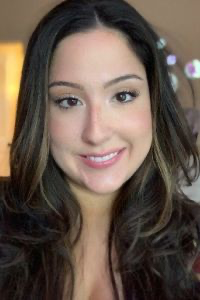 Why I chose Pitt: The Graduate School of Public Health is unique in that it offers an MPH in Public Health Genetics and MS in Genetic Counseling dual-degree program, providing graduates with the training to succeed as public health practitioners and genetic counselors. Given my interests in health disparities and inequities in genetics services, it became clear that Pitt was a great fit for me. I originally joined the department as an MPH student in 2018, and I am thrilled to continue my training as a dual-degree student. I am continuously motivated by the collaborative environment, opportunities for growth, and the faculty and students’ shared vision to improve the health of patients, families, and diverse communities.
Background: Centers for Disease Control and Prevention intern (CDC Office of Genomics and Precision Public Health); research assistant (The University of Texas Health Science Center); Medical Reserve Corps (San Antonio Metropolitan Health District); Communities in Schools mentor; Planned Parenthood volunteer; genetic counseling shadowing (May’s Cancer Center, San Antonio)
Work Position: Genetic counseling graduate student worker at the UPMC Hereditary GI Tumor Program
Lauren Garcia (BA biology, St. Mary’s University, Certificate in Public Health, The University of Texas Health Science Center, 2018)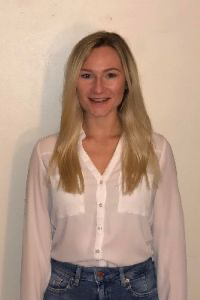 Why I chose Pitt: Pitt’s program has been on my radar since I first learned about genetic counseling in the 9th grade. As I learned more about the program in undergrad, and during my time living here after graduation, it only confirmed that Pitt was my top choice. The program provides access to not only amazing healthcare systems, but the opportunity to learn from equally amazing genetic counselors. During interviews, it was wonderful to hear how hands-on the program directors and surrounding genetic counselors and physicians are in the student’s learning. It was important to me to choose a program with supportive program leadership. I also loved that the program is not only housed in the School of Public Health but GC students have the opportunity to pursue a dual degree in Public Health Genetics. This is a unique advantage at Pitt’s program that I think provides a different perspective to the constantly changing field of genetic counseling. Outside of the program itself, what’s not to love about this beautiful city! The skylines are gorgeous, the people are friendly, and there’s never a shortage of things to do. Whether you enjoy trying one of the many breweries, taking a walk through local parks, or simply exploring the differences between the neighborhoods, Pittsburgh is truly a lovely place to live and I’m excited to get to be able to spend two more years here.
Background: Cognition trainer (Brain Train America); developmental intern (University of Maryland, NICU); domestic violence hotline volunteer (Crisis Center North); GC shadowing (Greater Washington Maternal Fetal Medicine and Genetics, UPMC Magee Women’s Hospital, UPMC Children’s Hospital of Pittsburgh, West Penn Hospital); genetic counselor assistant (Children’s Hospital of Pittsburgh)
Work Position: Genetic counselor assistant in the Division of Medical Genetics at UPMC Children’s Hospital of Pittsburgh
Julia Knapo (BA biology, minor in psychology, University of Maryland, Baltimore County, 2017)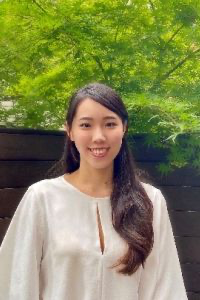 Why I chose Pitt: Pitt being the only school in the nation to offer a dual-degree program in Genetic Counseling and Public Health Genetics drew my attention when I was applying. During the interview process, I felt very welcomed by the faculty members and the GC students, and I especially felt their supportive spirit. The Pitt program is well established and I thought their confidence building model would fit my learning style very well. I really appreciate Pitt’s international scope and the opportunity to do clinical rotation internationally. The more I thought of my future goal, the more I saw the importance of public health approach in genetics. Pittsburgh is a very new environment for me, but I am excited to explore the city (after this pandemic) and become well-rounded GC as I receive the education from the Pitt Public Health Program.
Background: Staff research associate I (UCLA David Geffen School of Medicine); genetic counseling shadowing (Cedars-Sinai Samuel Oschin Cancer Center; Kaiser Permanente West LA Medical Center; UCLA Obstetrics and Gynecology Clinical Genetics); suicide prevention crisis counselor (Didi Hirsch Mental Health Service); Genetic Counseling Student Interest Group (UCLA)
Work Position: Genetic counselor assistant at UPMC Shadyside GI Lab
Aika Miikeda (BS in microbiology, immunology, and molecular genetics, UCLA, 2018) Why I chose Pitt: I chose Pitt because I have really come to respect the thriving medical community in Pittsburgh and the high standards of the genetic counseling program. As an undergraduate at Pitt, I had the opportunity to learn about the genetic counseling program in depth, as well as meet the program directors and current students. I knew through these experiences that I would get an invaluable education and make incredible connections with the students and faculty in the Public Health school. I have full confidence that the education, public health perspective, and clinical rotations in the area will help me become a thoughtful and well-rounded genetic counselor. I am truly a Panther for life and thrilled to be a part of the class of 2022.
Background: Genetic counseling assistant (PreventionGenetics, Marshfield, WI); client services representative (Rhythm Pharmaceuticals, Marshfield, WI); Pittsburgh Action Against Rape helpline volunteer (Pittsburgh, PA); Foundations of Biology undergraduate teaching assistant (University of Pittsburgh); Pitt Genetic Counseling Club (University of Pittsburgh)
Work Position: Genetic Counseling Assistant, PreventionGenetics
Maria Rhine (BS in biological sciences, minors in chemistry and social work, certificate in conceptual foundations of medicine, University of Pittsburgh, 2019)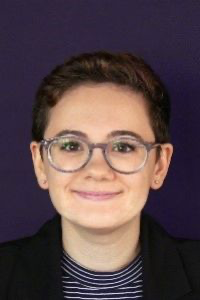 Why I chose Pitt: I had an initial bias towards Pitt as my top choice for a genetic counseling program because I love my undergrad career there so much, but everything else I learned about it made it seem like a true perfect fit. As a meticulous planner, the confidence building model of having the majority of classes before clinical rotations spoke to me. I was reassured by their friendliness towards students working part-time to support themselves through graduate school. The placement of the program within the School of Public Health shows how much they value how genetic counseling fits into the wider context of healthcare. And above all, I could tell how much the directors cared about developing excellent genetic counselors while providing support for their students. I knew that if I matched with Pitt, I would become part of a tight-knit, lifelong community.
Background: Sexual assault crisis line volunteer (Pittsburgh Action Against Rape); research assistant in mtDNA lab (Vascular Medicine Institute, Pitt); programming and development intern (Our Clubhouse); vice president and editor-in-chief (Pitt Genetic Counseling Club); copy chief (The Pitt News); editor-in-chief (The Pitt Pulse)
Work Position: Genetic counseling program teaching assistant
Bailey Sasseville (BS biological sciences with minor in chemistry, BA English writing, University of Pittsburgh, 2020)Why I chose Pitt: I chose Pitt because of the confidence-building model. I really like the idea of taking most of my classes in the first year and then building in shadowing and clinical work. I also like that all clinical rotations are located in Pittsburgh and a car is not required to attend clinics.
Background: Genetic counseling assistant (GeneDx); volunteer (The Down Syndrome Association of Northern Virginia)
Haley Soller (BS in biology, minor in anthropology, University of Virginia, 2019.)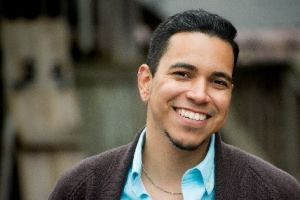 Why I chose Pitt: I chose Pitt because their GC program, along with the broader Human Genetics curriculum, is uniquely housed in the Graduate School of Public Health, which allows me to work collaboratively and intimately with other public health professionals. In this program, it is clear to me that even as we pursue separate goals as scientists, as clinicians, and as researchers, the work that we put in is for the shared goal of achieving population health for all. The curriculum also includes clinical rotations and plenty of roleplay: directors prepare students for their careers by showing, not telling. Faculty and staff know what they are doing, and they do it well. More than that, they include the students every step of the way. When students and faculty ask me, “How are you doing?” I can just tell that they mean it. Pitt is also just a lovely city to live in. I appreciate the city’s rugged terrain, abundance of beautiful green spaces (I’m looking at you, Frick Park), and I also recognize its burgeoning role as a healthcare leader in southwestern PA – clinical resources abound!
Background: Seasonal affective disorder undergraduate researcher (University of Pittsburgh); board of directors (Peer Support and Advocacy Network); hospital volunteer (UPMC Hillman Cancer Center, Magee-Womens Hospital); admin staff assistant (American Cancer Society); student intern (Bridging the Gaps, University of Pittsburgh); student intern (CDC Office of Genomics and Precision Public Health); HUGEN Curriculum Committee student representative (University of Pittsburgh)
Work Position: Graduate student research assistant with the Center for Craniofacial and Dental Genetics/COHRA2 Study
Frank Swann (BS psychology with honors, minor in French language, University of Pittsburgh, 2015)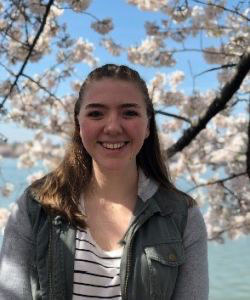 Why I chose Pitt: I was so excited to start my genetic counseling training at the University of Pittsburgh! Although I am not currently in the dual-degree program here, I really liked how Pitt integrated public health and community impact even among the standard genetic counseling classes. I think it is always important to be able to relay a lot of the clinical concepts and experiences back to larger communities and learn more about the correlations between public health sciences and genetic counseling. Coming originally from Minnesota, the city of Pittsburgh has been home to me for the past couple of years, and I was excited to learn more about the Pittsburgh community and finally become a part of the “yinzer culture.”
Background: Leadership intern (Willis L. Jones Leadership Center; University of Wisconsin-Madison); lead staff member (Porchlight Inc, Madison, WI); board member (Student Employee Advisory Group, University of Wisconsin- Madison); genetic counseling intern (Regions Hospital, Minnesota)
Work Position: Genetic counseling assistant at Allegheny Health Network’s Oncology Genetics Department; sexual assault counselor through PAAR; project manager for the Glimmer of Hope High Risk Breast Cancer Program
Natalie Tri (BS in genetics, minor in leadership, University of Wisconsin-Madison, 2018)- Why the Class of 2021 Chose Pitt
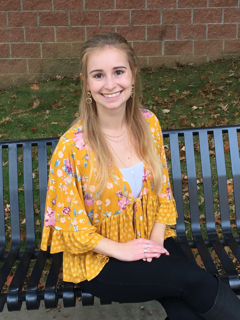 Why I chose Pitt: I chose Pitt because I felt comfortable and ready for success the first time I visited. As one of the oldest programs, I felt that Pitt had established a strong base for a wide range of opportunities for genetic counseling students. As someone with an interest in contributing to the expansion of the field both in the United States and internationally, I got the sense that this program and set of faculty would support me in accomplishing any goals I had. Pitt reflected this passion with the opportunity to complete a clinical rotation abroad and the global health certificate. I also chose Pitt because of its place in the school of public health, which I felt offered valuable perspectives, skills, and insight into a field that is constantly evolving.
Background: Clinical Research Coordinator (Weill Cornell Medicine, Gastroenterology and Hepatology), Genetic Counseling Assistant (Genetic Counseling Services, Inc.), Crisis Prevention and Support Program for Individuals with Intellectual and Developmental Disabilities Intern (NYSTART), Cancer Genetics Lab Intern (Roswell Park Cancer Institute)Work Position: Genetic Counselor Assistant UPMC Shadyside GI Lab
Mariele Anneling (B.A. in Biological Sciences, Minors in Creative Writing and English, University of Buffalo, 2017)
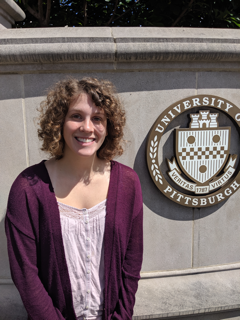 Why I chose Pitt: Being from the Pittsburgh area, I had the opportunity to meet with the directors of Pitt's program, current students, and genetic counselors who were Pitt alumni. It was very clear to me how dedicated the Pitt program is to training competent, well-rounded genetic counselors. The program being in the school of Public Health offered a unique and extremely relevant perspective on genetics and human health that I just couldn't find anywhere else. I loved the dynamics between the students and faculty. I was drawn to the fact that Pitt was an established program but was obviously adapting and changing as the field is evolving. The clinical rotations are easily accessible and a fantastic learning opportunity. Pittsburgh is also an amazing city with something for everybody: sports, theaters and museums, parks, and great food!
Background: Research Assistant at the Magee-Women's Research Institute, Presidential Fellow at Bucknell University, Crisis Counselor at Transitions of Pennsylvania, Volunteer at Camp Koala for Grieving Children
Work Position: TBDMegan Czekalski (B.S. in Biology, Minor in Biochemistry, Bucknell University, 2019)
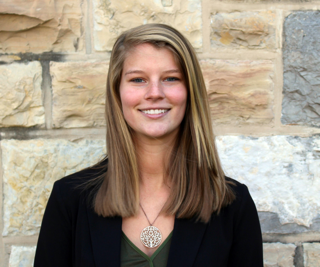 Why I chose Pitt: I am so excited to begin my training as a genetic counselor as a dual degree student at the University of Pittsburgh, a program that understands and emphasizes the importance of genetics in public health. The department staff and faculty have been continuously supportive and willing to help me pursue my interests and advocate for me at every turn. The University of Pittsburgh program also has the added benefit of being in a city with so many other programs to collaborate with, such as the Medical and Pharmacy schools. Also, as someone from the Washington D.C. area, I was hoping to move away from a city, but Pittsburgh is the perfect “bite-sized” city. I’m never overwhelmed with the amount of people or traffic but I never run out of fun, new things to do.
Background: Medical Advocate and Sexual Assault Counselor (PAAR), Graduate Research Assistant Office of Child Development (University of Pittsburgh), Undergraduate Research Assistant (Kiho Lab Virginia Tech), Program Support Specialist (NIH, Primate Virology), Office of Undergraduate Research Ambassador (Virginia Tech), Undergraduate Teaching Assistant: Comparative Animal Anatomy and Physiology (Virginia Tech), Relay for Life Entertainment Committee (Virginia Tech)
Work Position: Project Coordinator Richard K Mellon Grant, Graduate Researcher Department of Family Medicine, Visual Media Consultant My Gene CounselJulia Gerow (B.S. in Animal and Poultry Sciences, B.S. in Agricultural Business, Virginia Polytechnic Institute and State University, 2018)
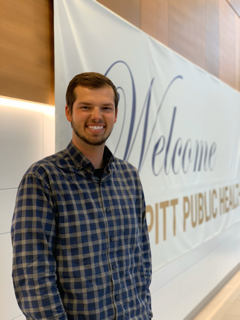 Why I chose Pitt: As I began researching genetic counseling programs, the University of Pittsburgh stood out as a favorite from the get-go. Coming from Lexington, Kentucky, I was excited to visit and explore a bigger city while obtaining an education that would prepare me for a career in genetic counseling. What stood out to me the most about Pitt was the shared value professors and peers put on education. It was evident during my research into the program and my interview that Pitt has an exceptional reputation of educating excellent genetic counselors. I also liked that the genetic counseling program is located within a school of public health, so students are constantly surrounded by peers and professors with vastly different backgrounds. I’m excited to be a member of the Pitt community, and I look forward to the next few years!
Background: Crisis Text Line Volunteer (Online), UK’s Albert B. Chandler Hospital Surgery Waiting Room Volunteer, Undergraduate Student Researcher in Biochemistry (University of Kentucky), Genetic Counseling Shadowing (University of Kentucky and Saint Joseph East, Lexington, KY), Mobile Events Manager & Social Media and Marketing Coordinator (Crank & Boom, Lexington, KY)
Work Position: TBD
Michael Gosky (B.S. in Neuroscience, Minor in Biology, University of Kentucky, 2019)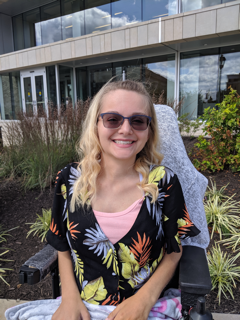 Why I chose Pitt: Growing up in Pittsburgh my whole life, I have always admired the innovative nature that the city's medical field has accomplished. When looking at GC programs, I was looking for places not only with the best program but also the best accessibility for a wheelchair user. Pitt had strong accessibility along with a unique program design. I liked that during the first year there is education and that the second year is dedicated to clinic and thesis work. I enjoyed the supportive nature not only from the program's director and associate director but also from the entire faculty of the Human Genetics department. I feel with extreme confidence that my peers and I will graduate with the skills needed to be exceptional Genetic Counselors.
Background: The Muscular Dystrophy Association Volunteer (Pittsburgh, PA), SPHS Domestic Violence and Sexual Assault Hotline Volunteer (Washington, PA), Genetic Counseling Internship (The Hemophilia Center Pittsburgh, PA), Genetic Counseling Shadow (Magee-Women's Hospital, Adult Muscular Dystrophy Clinic).
Work Position: TBDHaley Kulas (B.A. in General Biology, Minor in Psychology, Washington and Jefferson College, 2018)
 Why I chose Pitt: Pitt stood out to me as a program that is both incredibly supportive and collaborative. From the very beginning, it was clear to me that there are high expectations- but also a recognition that everyone has their own strengths and weaknesses. There really is a sense of community both within the Genetic Counseling program and among the other departments within the Graduate School of Public Health. Pitt’s interdisciplinary approach, combined with its reputation as an established program and its focus on Public Health, provides me with unparalleled opportunities to explore the many facets of genetic counseling. Additionally, I am a huge fan of Pittsburgh’s affordability, gorgeous city parks, and the great public transit system. Living in Pittsburgh has been nothing short of awesome, with endless places to explore and things to do. Personally, I am confident that Pitt was the right choice for me.
Background: Genetic Counseling Summer Intern (Baylor College of Medicine); Genetic Counseling Shadowing (Moffitt Cancer Center); Family Pal (Camp Boggy Creek); Volunteer Crisis Counselor (Crisis Text Line); Research Assistant (University of South Florida Department of Anthropology); Peer Leader in General Chemistry (University of South Florida)
Work Position: TBDRavella Raker (B.S. in Biomedical Science, Minor in Biological Anthropology, University of South Florida, 2018)
 Why I chose Pitt Out of all the genetic counseling graduate programs, the University of Pittsburgh is the only school that offers a dual program in genetic counseling and public health genetics - and the more I learned about the field of genetic counseling, the more important a dual approach became to me. I chose Pitt because I wanted a program that combined the patient-centered focus of counseling and the big-picture approach of public health. I loved that I could work while in the program, with the possibility of incorporating the work into my thesis. Of course, it doesn't hurt that Pittsburgh is an exciting city, and that my first view was driving in through Liberty Tunnel at dusk, all the city lights shining over the river.
Background Genetic Counseling Assistant (PreventionGenetics), Crisis Text Line Volunteer (Online), Direct Care Professional (ACR Homes)
Work Position: Genetic Counseling Graduate Student Worker for the NYMAC Regional Genetics NetworkMadeline Reding (B.S. in Biology, B.A. in Creative Writing, Hamline University, 2017)
 Why I chose Pitt: Given the relevance of public health in genetic counseling, Pitt’s emphasis on public health training and the unique opportunity to earn a dual degree in Public Health Genetics solidified my decision to choose Pitt. During my interview, I appreciated the collaborative dynamic between faculty and students, and I could tell that the program was dedicated to training well-rounded counselors. I love that Pitt offers diverse clinical experiences with the option to rotate internationally, and that all of the rotation sites in Pittsburgh are easily accessible via public transportation. As someone who has lived in the south my entire life, the chance to live in a new city that is both fun and affordable made my decision that much easier.
Background: Metabolic Laboratory Technologist (Greenwood Genetic Center); Cancer Genetic Counseling Shadow (Greenwood Genetic Center); Mentor Coordinator (Penguin Project, Greenwood Community Theatre); Miracle League Buddy (The Greenwood Miracle League); Genetic Engineering Undergraduate Research Assistant (Clemson University); Biomedical Engineering Undergraduate Research Assistant (Clemson University)
Work Position: Genetic Counseling Program Student Worker
Kaitlyn Scola (B.S. in Genetics, B.S. in Microbiology, Concentration: Biomedicine, Clemson University, 2017) Why I chose Pitt: Pitt’s genetic counseling program initially caught my attention because of the fact that it’s not only housed in a school of public health, but is also the only program in the country that offers a dual-degree program with Public Health Genetics. I also knew that being in a program where I would complete most of my coursework before starting clinicals would be ideal for my learning style. My interest in the program continued to grow as I interacted with faculty at open houses and interviews and saw how invested they all were in student success. After spending the 2018-19 year in the department as an MPH Public Health Genetics student, it became even more apparent that completing my genetic counseling education in a department that is as welcoming as Pitt’s and integrates public health and genetic counseling so effectively would be the perfect fit for me and my goals. Being a Steelers fan from outside of Baltimore, I also feel right at home here in Pittsburgh and would love to start my GC career here after graduation!
Background: Student Researcher (The Commonwealth Medical College/Geisinger Commonwealth School of Medicine); Adventure Activities Specialist (Camp Spearhead, SC); Direct Service Volunteer (Hospice of the Sacred Heart); Genetic Counseling Shadowing through Geisinger, UPMC and Allegheny Health Network; Crisis Textline Counselor (Online)
Work Position: Graduate Student Research Assistant, Center for Craniofacial and Dental Genetics (University of Pittsburgh)
Trinity Sprague (B.S. in Biology, Minors in Psychology and Chemistry, Misericordia University, 2018)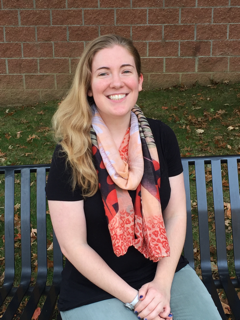 Why I chose Pitt: It's hard to explain but out of all of the programs I considered, Pitt just fit the best. Everyone at Pitt is so welcoming, kind, and supportive. I like that the GC program is so connected to the other public health disciplines and it's great that we get to meet and connect with classmates outside of the GC program. This is one of the longest-running GC programs, and it's continuously adapting and incorporating new ideas so that students can keep up with new, upcoming challenges in the GC field. I like that clinical rotations are set up within two hospital programs so that students get to see how different health care systems run without being spread out too far. When I visited Pittsburgh, I felt right at home!
Background: Volunteer Teaching Assistant (Carle Auditory Oral School, Champaign IL), Crisis Line Volunteer (Rosecrance/Community Elements, Champaign, IL), Public Program Specialist (Champaign County Forest Preserve District, Homer, IL), Child Care Volunteer (Child Advocacy Center, Marshfield, WI), Volunteer and Life Skills Coach (The Hannah Center, Marshfield, WI), Genetic Counseling Assistant (PreventionGenetics, Marshfield, WI)
Work Position: TBD
Chelsey Walsh (B.S. in Molecular and Cellular Biology, University of Illinois Urbana-Champaign, 2012)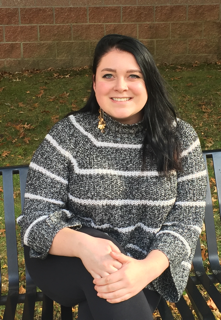 Why I chose Pitt: The University of Pittsburgh’s commitment to excellence in medicine and public health made Pitt the obvious choice for me. Pitt’s genetic counseling program is well established, and the genetic counselors in Pittsburgh that I had the pleasure to shadow were all incredible health care professionals dedicated to helping students learn. During my interview, I appreciated the sense of community that the leadership was able to foster with the students, and was excited about the program’s ability to tie a public health perspective into the curriculum. I was fortunate to spend two of my undergraduate years at the University of Pittsburgh, and staying at Pitt for my genetic counseling training was an opportunity I couldn’t pass up. Pittsburgh is a livable and exciting city that is rich with culture, with great resources for a training genetic counselor.
Background: CRISPR-cas9 Student Research Assistant (UPMC Cell Biology); Crisis Counselor (Crisis Text Line); Cancer and Prenatal Genetic Counseling Shadow (Magee-Womens Hospital); Teaching Assistant (Macromolecular Structure and Function); Oncology Department Volunteer (Magee-Womens Hospital); Political Action Chair (Pitt Campus Women’s Organization); Student Research in Health Disparities (University of Florida Psychology); Patient Escort and Peer Sex Educator (UF Voices for Planned Parenthood)
Work Position: TBD
Kaylee Williams (B.S. in Molecular Biology, Minor in Gender, Sexuality, and Women’s Studies, 2019)- Why the Class of 2020 Chose Pitt
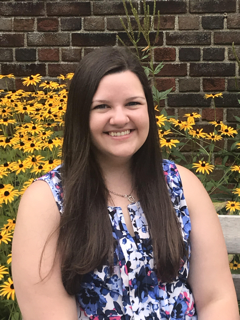 Why I chose Pitt: Pitt may be one of the oldest genetic counseling programs, but it was important to me that program leadership take pride in using student and alumni feedback to keep the program and curriculum up-to-date as the field evolves and changes. Being housed within the Graduate School of Public Health is also a great advantage for the program, allowing students to develop some additional skill sets, perspectives, and knowledge to use in our future careers. Probably the biggest draw of the Pitt program is the people – from faculty and staff to fellow students, everyone is so welcoming and supportive, and truly invested in your interests and success. On top of all of that, Pittsburgh itself is a great city! After visiting Pittsburgh during my interview, I definitely felt that it had great potential to be my home away from home.
Background: Genomic medicine assistant (Geisinger); “Buddy” volunteer (BuddyUP Tennis); “Big Buddy” volunteer (Camp Courage Bereavement Camp)
Work Position: NYMAC genetic counseling graduate student worker
Alyson Evans (BS biology, minors in psychology and women’s studies, King’s College, 2015)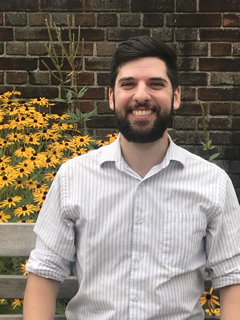 Why I chose Pitt: I originally came to Pittsburgh to complete my undergraduate studies, and now it’s been my home for almost seven years. Aside from the city’s vibrant culture, fantastic food, and myriad of events and locations to explore, it offers the opportunity of a deep and rewarding graduate education in Pitt Public Health. I knew from the start of the application process that Pitt’s genetic counseling program was my top choice. Its location places it in the middle of a bustling academic and medical center, with access to a host of diverse clinical sites and resources. The sheer volume of cases that students experience in these clinics provides hefty exposure to the field’s broad patient base and the challenges that accompany them. Along the way, current faculty and students offer a supreme amount of support and guidance, making the journey a lot less daunting. By the end of the program, I’m confident that my classmates and I will be fully prepared to succeed in the exciting field of genetics and beyond.
Background: Research assistant in the dental registry and DNA repository (University of Pittsburgh); Crisis Text-line volunteer (online); drumline section leader (University of Pittsburgh). Undergraduate teaching assistant for Intro to Biology II class (University of Pittsburgh).
Work Position: Genetic counseling assistant at UPMC Magee-Women’s Hospital
Andrew Fazenbaker (BS biological sciences, minors in chemistry and religious studies, University of Pittsburgh, 2016)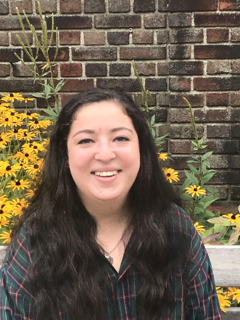 Why I chose Pitt: Being from Pittsburgh myself, I have quite the obsession with the city. With its hometown feel and endless activities you will never be bored, but most importantly Pittsburgh has an inspiring medical community. Pitt’s program takes full advantage of these resources and being located in the Graduate School of Public Health we as students are being fully prepared to enter this diverse field. If that was not enough, the strong sense of community and leadership within and outside the program is unbeatable. From the confidence building model of the curriculum to the time and investment spent by each and every mentor, Pitt is truly an all-encompassing program. I am excited to be spending my graduate career here and cannot wait for the next two years.
Background: Sexual assault advocate (Vera House, Syracuse NY), biological sciences intern (Carnegie Science Center, Pittsburgh PA), genetic counseling shadowing (Magee-Womens Hospital, Pittsburgh PA)
Work Position: Genetic counselor assistant UPMC Children’s Hospital of Pittsburgh
Ashley Lahr (BS biology, BA psychology, Syracuse University, 2017)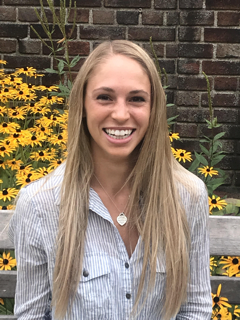 Why I chose Pitt: I chose Pitt because of the program structure, people, and legacy. I was excited about taking the majority of the courses the first year to provide us with the overall comprehension and necessary knowledge during our clinical rotations our second year. During the interviews, it was clear how dedicated the co-directors and staff truly were towards the current students’ education and training. Finally, with Pitt being the second oldest program, their reputation inspired trust and admiration. I knew a program with so much history and experience would have the tools to shape their students into successful, well rounded genetic counselors.
Background: Genetic counseling intern at Froedtert and the Medical College of Wisconsin; GC shadowing at the University of Missouri Hospital; crisis hotline counselor (Missouri Crisis Line); therapeutic riding assistant (Cedar Creek Therapeutic Riding Center); Children’s Behavioral Health Welfare Agency volunteer (Great Circle)
Work Position: Clinical research assistant at TRiNDS (Therapeutic Research in Neuromuscular Disorders Solutions)
Caroline Bong (BS in biological sciences, minors in psychology and Spanish, multicultural certificate, University of Missouri, 2018)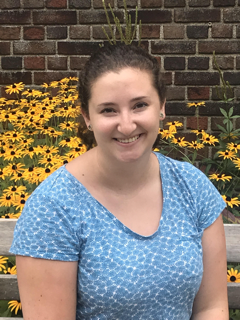 Why I chose Pitt: I chose Pitt for many reasons, but my decision to attend the University of Pittsburgh was made easy once I visited campus. I was blown away by the experience of the leadership, which made me realize that this program prepares students not only to be confident and well-rounded genetic counselors, but also to be leaders in the field for the rest of their careers. Being situated in the Graduate School of Public Health and the unique primary care rotation provide students with the tools to adapt to genetic counselors’ ever-changing roles in health care. I wanted the resources and opportunities of a large urban university, but the support and ability to build strong relationships more characteristic of a smaller community, which perfectly blend together at Pitt. On top of all the benefits of the program itself, Pittsburgh has an expansive medical community, and is an affordable, fun, and diverse city. The view coming out of the Fort Pitt tunnel at night doesn’t hurt either.
Background: Clinical research coordinator in the Center for Cancer Genetics and Prevention (Dana-Farber Cancer Institute); active listener on 7 Cups of Tea (online); general biology and neurobiology laboratory teaching assistant (Providence College).
Work Position: Genetic counseling assistant at UPMC Shadyside GI Lab
Christine Drogan (BS biology, certificate in neuroscience, Providence College, 2016)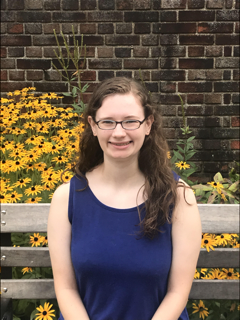 Why I chose Pitt: I chose Pitt for several reasons: Public health is becoming more relevant as the field of genetic counseling expands, and the opportunity to take public health courses and do a dual degree or public health certificate really appealed to me. I love that coursework is done in the first year to give us a solid foundation before beginning clinical rotations over the summer. Students have access to two health care systems via public transportation, allowing easy access to diversity for clinical rotations. Leaders of the program are constantly thinking about how the program can be improved, a necessity in a constantly-changing field. The opportunity to live in Pittsburgh sealed the deal; it has all the benefits of a big city with a relatively low cost of living and good public transportation.
Background: AmeriCorps member and volunteer coordinator (Impact America, Alabama); genetic counseling assistant (University of Alabama at Birmingham); Birmingham Crisis Center hotline volunteer; genetic counseling internship (Northwestern University); GC shadow (Advocate Children’s Hospital, Chicago)
Work Position: Genetic counseling program teaching assistant
Claire McDonald (BA in biology, Carleton College, 2015)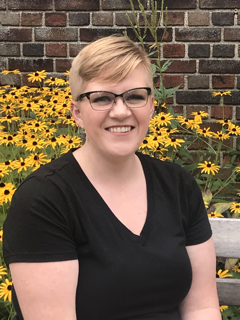 Why I chose Pitt: Pitt’s rich history in both medicine and public health drew me here, but it was the commitment and passion for moving forward that the faculty and students exhibited that ultimately made my decision. I appreciate the model the program implements to build students’ confidence and skills, followed by an immersive clinical experience that really imitates the lifestyle of a working professional. Pitt Public Health gives students a well-rounded experience, and prepares students to take on more complex roles as the future of genetics changes.
Background: Student research assistant in metabolomics (Iowa State University); community support professional (Optimae Life Services); principles of genetics lab teaching assistant (Iowa State University); recruitment and morale captain for the community and alumni outreach committees (Iowa State Dance Marathon, Children’s Miracle Network); genetics and psychology tutor (Iowa State University); domestic volence hotline advocate (ACCESS); executive vice president (Sigma Kappa Sorority).
Work Position: Research assistant at the Center for Craniofacial and Dental Genetics
Lauren Winter (MS biomedical sciences, Iowa State University, 2017; BS majors in genetics and psychology, Iowa State University, 2016)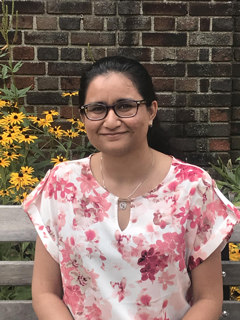 Why I chose Pitt: I was initially interested in Pitt’s program because it was one of the most well-established and one of the few that offered a focus on public health. Coming to Pittsburgh for my interview, I quickly realized that the program had even more to offer than its history and multidisciplinary perspective. There is a strong spirit of community running throughout the program, from the co-directors to the professors to the alumni. I felt assured that I could be in an environment in which I could succeed and in turn help others do so as well. In addition to all that, there is a wealth of learning opportunities within the school and city. I am excited to be in Pittsburgh and look forward to my next two years here!
Background: Crisis text line counselor, volunteer at Greater Los Angeles Veterans Affairs Genetics Clinic, Venice Family Clinic health care navigator and clinic assistant
Work Position: TBD
Pooja Solanki (BS biology, minor in global health, UCLA, 2017)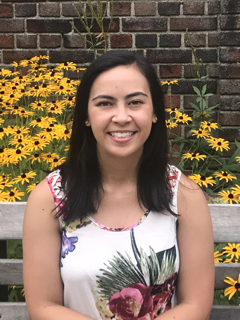 Why I chose Pitt: I chose Pitt because, as part of the Graduate School of Public Health, its genetic counseling program provides a unique perspective. As genetic counselors it’s important for us to be sensitive to the human aspect of genetics and to consider how societal influences affect our healthcare. I also think the option to hold a work-study position is extremely helpful in cultivating important mentorship and networking opportunities in addition to clinical rotations. The support I have already received from the program leadership has made me feel incredibly welcome. I’m excited to be a part of the Pitt GC program and am looking forward to exploring the city of Pittsburgh!
Background: Manager of translational soft tissue sarcoma laboratory and student mentor (Mount Sinai Hospital, Toronto), peer support volunteer (The Women’s Centre of Halton, Oakville), genetic counseling shadowing (Mount Sinai Hospital, Toronto), biology teaching assistant (McMaster University, Hamilton).
Work Position: Research assistant at UPMC Children’s Hospital of Pittsburgh
Rosemarie Venier (BSc honours molecular biology, McMaster University, Canada, 2010; MSc biology, McMaster University, Canada, 2012)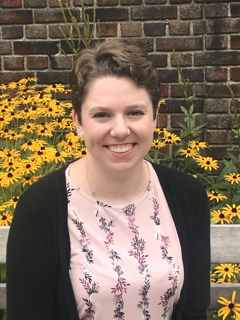 Why I chose Pitt: I applied to Pitt because of the program’s long standing reputation and its unique opportunities in public health. I also liked the way the program was structured, with most classes in year one and mainly clinical rotations in year two. Also, I liked that Pitt offers such a variety in clinical opportunities, including a new primary care rotation. When I came for my interview, Pitt was the school I could picture myself at. I loved the supportive environment between the students and the leadership. Everyone involved in the program was truly invested in the success of the students. I am confident I will graduate with the skills I need to be a successful genetic counselor and the ability to help solve evolving public health issues in genetics.
Background: Clinical research coordinator in infectious diseases (Cincinnati Children’s Hospital Medical Center), undergraduate research assistant at the Stress and Health in Pregnancy Research Program (Ohio State University), sexual assault hospital advocate (Women Helping Women, Cincinnati)
Work Position: Genetic counseling student worker at the Children’s Hospital of Pittsburgh Sickle Cell Program
Sarah McGee (BS molecular genetics, minor in clinical psychology, Ohio State University, 2017)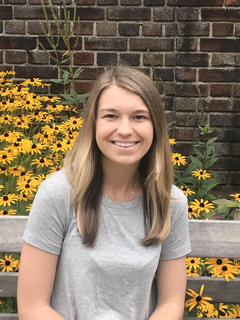 Why I chose Pitt: Growing up in Pittsburgh, I had the opportunity to be immersed in the city’s rich health and medical culture from a young age. When I began looking into genetic counseling programs, I was immediately drawn to Pitt. With a background in public health and aspirations to apply my training to different populations, the program’s position in the Graduate School of Public Health and the opportunity for the dual degree was very important to me. The passion and sense of unity among the program’s leaders and students also ensure a strong environment for learning. I’m excited to be back home and a part of this amazing program!
Background: Development associate and crisisline worker at Mental Health America of Greenville County, genetic counseling shadowing at Greenwood Genetic Center, medical clinical rotations at Greenville Health System, STEM mentor at Furman University
Work Position: TBD
Stephanie Betts (BS health sciences, minor in Latin American Studies, Furman University, 2017)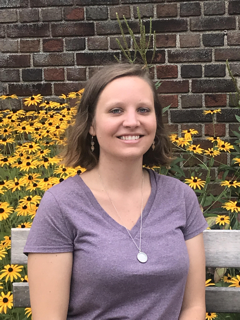 Why I chose Pitt: I fell in love with the city when I visited in 2015, so when I started applying to GC programs I decided to apply to Pitt. The more I learned about the dual degree program, the more I knew I wanted to be at Pitt. I want to work with underserved populations to improve access to genomic medicine, so pairing the MPH public health genetics program with the genetic counseling program seemed like a tailored fit! The other big draw has to be the people. The faculty are incredibly supportive. They want their students to do well. It may sound cliché, but I feel like Pitt has an atmosphere where faculty aren’t teaching students, they’re training colleagues.
Background: Services coordinator (Linn County Developmental Disabilities Program), direct support professional, “Buddy” with Night to Shine
Work Position: Precision medicine program assistant (All of Us Research Program; Pitt+Me Discovery)
Vickie Bacon (BS biology, California State University, Long Beach, 2012)